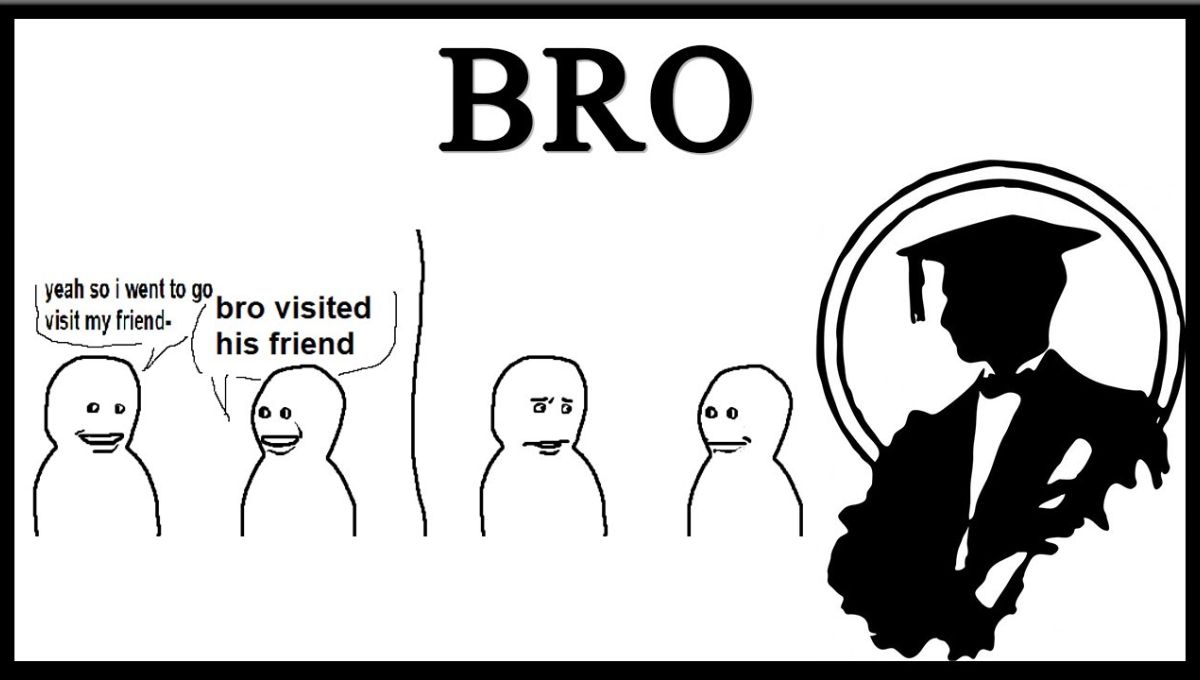
You say “bro” a dozen times a day. Maybe more. It’s quick and friendly, and it works almost everywhere. But sooner or later it starts to sound like background noise.
That’s where other ways to say bro come in. This guide gives you 31 bro alternatives, plus tone tips, real examples, and clear rules for matching the word to the moment. Whether you’re texting your best friend or greeting a new colleague, you’ll find a better fit.
What Does “Bro” Mean?
Start with the basics. Bro meaning is simple: it’s short for “brother,” but it stopped referring only to siblings long ago.
Today it works as an informal address, a casual label for friends, teammates, classmates, and sometimes total strangers. The Merriam-Webster entry for bro lists it as both a shortened form of brother and a casual way to address a man.
When you say bro, you send a quiet message. We’re on the same level. We’re comfortable. We’re good.
That’s why the word shows up in texts, group chats, gaming lobbies, and social media comments. It signals camaraderie, familiarity, and a bit of brotherhood without any speeches.
Still, the word carries tone. A cheerful “Bro, you nailed it!” feels warm. A sharp “Bro. Seriously?” feels like a raised eyebrow. Context does the heavy lifting, and so does the relationship between the two people talking.
So what does bro mean in practice? It means closeness, mutual respect, and a relaxed attitude. It’s a colloquial expression that people use to drop formality fast. That’s also its weakness. When formality is exactly what you need, “bro” falls flat.When “Bro” Doesn’t Work
Everyone has seen it go wrong. Someone drops a casual “bro” into a serious moment and the room goes quiet. Before you reach for it, scan this list of situations where it tends to backfire:
- Job interviews and formal emails. It reads as careless.
- Conversations with someone much older or in authority. It can feel disrespectful.
- Academic or professional writing. The tone clashes with the setting.
- People you don’t know well. Familiarity has to be earned first.
- Settings where casual language feels out of place. Think funerals, courtrooms, and client presentations.
31 Different Ways to Say Bro
Ready for the main event? Here are 31 different ways to say bro, from safe everyday picks to silly internet wordplay. Each entry covers the meaning, tone, best use, and example lines you can steal.
1. Dude
Dude started in surf culture and now sounds like one of the most familiar words in casual English. It flattens formality instantly. Better still, people use it across genders today, so it rarely feels exclusionary.
- Tone: Relaxed, casual, playful
- Best for: Texting friends, everyday chat, quick reactions
- Examples: “Dude, you actually pulled it off.” / “Where are you, dude?”
- Tip: It’s one of the safest replacements for bro. It fits almost any casual setting without feeling forced.
2. Man
Man is grounded and simple. It adds emotional weight to a sentence without extra drama. You can hype someone up or comfort them with the same word.
- Tone: Warm, sincere, conversational
- Best for: Close friends, emotional moments, quick replies
- Examples: “I hear you, man.” / “Come on, man, you know better.”
- Tip: Pick it when you want real warmth without full slang energy.
3. Mate
Mate is an everyday word for a friend. It comes straight out of British and Australian English. Locals use it with strangers, coworkers, and old friends alike.
- Tone: Casual, warm, friendly
- Best for: UK and Australian English speakers, team settings, friendly chat
- Examples: “You alright, mate?” / “Cheers, mate.”
- Tip: In American English it sounds playful or stylistic. That’s perfectly fine.
4. Buddy
Buddy brings a nostalgic, gentle feeling. It suits people you’ve known for years or someone you just clicked with. It also works across ages, so you can say it to a kid or a grandparent.
- Tone: Gentle, friendly, approachable
- Best for: Close friends, younger people, light moments
- Examples: “What’s up, buddy?” / “That’s my buddy right there.”
- Tip: Watch the delivery. A flat “Listen, buddy” can sound like a warning.
5. Fam
Fam is short for “family.” It works for one person or a whole group. Using it says you belong in my circle, and that’s a generous message.
- Tone: Warm, inclusive, community-focused
- Best for: Friend groups, group chats, social media
- Examples: “We got this, fam.” / “Love you, fam.”
- Tip: It’s one of the few alternatives that fits a single person or a crowd.
6. Homie
Homie grew out of “homeboy,” meaning someone from your neighborhood or inner circle. It carries more loyalty than bro. It isn’t just casual. It means something.
- Tone: Urban, warm, trust-heavy
- Best for: Close friends, shared backgrounds, casual talk
- Examples: “What’s good, homie?” / “You know I got you, homie.”
- Tip: Save it for people you genuinely trust.
7. Bruv
Bruv is the British slang version of “brother.” You’ll hear it most in London street speech. It sounds natural there and a little off almost everywhere else.
- Tone: Urban, very casual, British
- Best for: British English speakers, social media, street-style chat
- Examples: “That’s mad, bruv.” / “You serious, bruv?”
- Tip: If you’ve never been to London, use it playfully or skip it.
8. Bruh
Bruh works more like a reaction than a greeting. People use it to show surprise, frustration, or disbelief. Internet culture made it a star.
- Tone: Expressive, reaction-heavy, internet-native
- Best for: Texting, memes, responding to something wild
- Examples: “Bruh. Why would you do that?” / “Bruh. Really?”
- Tip: Bro is a greeting. Bruh is a feeling. Use it when something happens.
9. Bud
Bud is the short, quiet cousin of “buddy.” It sounds easy and kind. Parents use it with kids all the time. Friends use it for quick check-ins.
- Tone: Gentle, neutral, relaxed
- Best for: Everyday chat, family talk, kids
- Examples: “How’s it going, bud?” / “You’ve got this, bud.”
- Tip: It’s slightly softer than buddy. Choose it when you want zero edge.
10. Pal
Pal feels old-fashioned yet still works. You can use it sincerely or with a wink. Classic movie dialogue gave it that vintage charm.
- Tone: Warm, slightly vintage, sometimes playful
- Best for: Friendly teasing, casual chat
- Examples: “What’s going on, pal?” / “Not today, pal.”
- Tip: Delivery decides everything. “Easy there, pal” can sound kind or cutting.
11. King
King builds someone up. It signals respect, confidence, and support. You’ll see it constantly in comment sections and group chats.
- Tone: Hype, empowering, social-media-native
- Best for: Encouragement, online chat, motivational moments
- Examples: “You did that, king.” / “Stand tall, king.”
- Tip: Mean it. Overuse drains the power fast.
12. Legend
Legend is for moments, not greetings. Someone saved the day, so you hand them the title. Many speakers lean on it more in British English.
- Tone: Celebratory, impressed
- Best for: Thanking someone, celebrating a win, group chats
- Examples: “You absolute legend.” / “Legend. That’s exactly what I needed.”
- Tip: Keep it specific. A legend every five minutes stops meaning anything.
13. Champ
Champ is short for “champion.” It encourages people and boosts their confidence. It feels supportive without going over the top.
- Tone: Warm, motivational, slightly playful
- Best for: Encouragement, younger people, light praise
- Examples: “You’ve got this, champ.” / “Nice one, champ.”
- Tip: It sounds natural with kids and adults alike.
14. Dawg
Dawg points to a close friend, someone in your crew. It’s strong American slang with a laid-back feel. Underneath the chill, it signals real loyalty.
- Tone: Street, casual, loyal
- Best for: Close friends, informal texting
- Examples: “What’s up, dawg?” / “You know I got you, dawg.”
- Tip: It feels out of place in formal or international settings.
15. G
G began as shorthand for “gangster.” Today many people use it as a term of respect, especially in hip-hop-influenced circles. “My G” says you’re the real deal.
- Tone: Cool, confident, street
- Best for: Close circles, casual social media
- Examples: “What’s up, G?” / “Respect, G.”
- Tip: It can feel forced if it isn’t part of how you naturally talk.
16. My Guy
My guy claims the relationship in the most positive way. It’s casual and warm, and it works across genders. Few bro alternatives feel this clean.
- Tone: Casual, genuine, inclusive
- Best for: Everyday conversation, appreciation, casual praise
- Examples: “That’s my guy right there.” / “My guy came through again.”
- Tip: It feels personal without getting intense.
17. Cuz
Cuz is short for “cousin.” In slang it means a close, trusted person. That person doesn’t have to share your family tree.
- Tone: Casual, family-adjacent, urban
- Best for: Close friends, casual texting
- Examples: “Long time, cuz.” / “Always, cuz.”
- Tip: It fits best in communities where the word already lives.
18. Boss
Boss offers light respect or flattery. Service workers use it sincerely. Friends use it as a joke.
- Tone: Respectful, slightly playful, sometimes ironic
- Best for: Customer service, casual compliments, banter
- Examples: “Say the word, boss.” / “After you, boss.”
- Tip: Same word, two meanings. Your tone tells people which one you intend.
19. Chief
Chief leans playful and a bit sarcastic. People often use it to tease. A friend who takes charge of everything might earn the nickname.
- Tone: Playful, teasing, sarcastic
- Best for: Joking around with friends who enjoy banter
- Examples: “Relax, chief.” / “Where you headed, chief?”
- Tip: Use it seriously with a stranger and it can land wrong.
20. Brotha
Brotha is a fuller, warmer cousin of bro. It comes from Black American vernacular and community bonds. It carries cultural weight.
- Tone: Warm, soulful, culturally rooted
- Best for: Meaningful talks, real bonds, community connection
- Examples: “Stay strong, brotha.” / “I see you, brotha.”
- Tip: Use it naturally within your community or when the bond runs deep.
21. Amigo
Amigo is Spanish for “friend.” English speakers use it as a light, playful substitute. It adds a cheerful, bilingual spark.
- Tone: Playful, friendly, slightly bilingual
- Best for: Jokes, casual chat, bilingual settings
- Examples: “What’s up, amigo?” / “Not so fast, amigo.”
- Tip: Keep it light. It breaks tension but doesn’t suit serious talks.
22. Soldier
Soldier honors strength and endurance. You say it to someone who pushed through something hard. It has real emotional weight.
- Tone: Motivational, strong, respect-based
- Best for: Encouragement after difficulty
- Examples: “Keep pushing, soldier.” / “Stay up, soldier.”
- Tip: Save it for when the person actually earned it.
23. Ace
Ace praises someone who’s skilled or simply great. It’s friendly and quick. British speakers seem to use it more often than Americans.
- Tone: Friendly, light praise
- Best for: Casual compliments, friendly exchanges
- Examples: “Cheers, ace.” / “Good work, ace.”
- Tip: It’s less common in North America. Expect a few curious looks.
24. Brah
Brah is the surf-culture twist on bro. It carries relaxed West Coast energy. Picture sandals, sunscreen, and zero hurry.
- Tone: Laid-back, beach-crowd casual
- Best for: Surf and skate communities, outdoor settings
- Examples: “Catch you later, brah.” / “No worries, brah.”
- Tip: Outside surf culture it can feel like a costume.
25. Comrade
Comrade has political and historical roots. In casual talk, people use it mostly as a joke. Online humor loves it.
- Tone: Ironic, humorous
- Best for: Group jokes, playful online chat
- Examples: “Well done, comrade.” / “Solidarity, comrade.”
- Tip: Nobody means it seriously anymore. That’s what makes it funny.
26. Sport
Sport sounds like a 1950s dad. Most people use it ironically today. It lands perfectly or falls flat.
- Tone: Retro, playful, slightly paternal
- Best for: Joking with younger people, retro humor
- Examples: “Nice try, sport.” / “Keep at it, sport.”
- Tip: Use it for laughs. A straight face makes it funnier.
27. Broseph
Broseph is a deliberately silly spin on bro. Nobody uses it seriously. That’s the whole point.
- Tone: Funny, over-the-top
- Best for: Making friends laugh
- Examples: “Come on, Broseph.” / “Classic Broseph move.”
- Tip: Reach for it when you want to spark a smile.
28. Broski
Broski is an internet-born twist popular in gaming and online communities. Think of it as “bro” wearing a party hat.
- Tone: Light, energetic, online-native
- Best for: Gaming, group chats, friends who love wordplay
- Examples: “Nice move, broski.” / “Let’s run it back, broski.”
- Tip: Use it when the mood is light.
29. Brochacho
Brochacho mixes Spanish and English flavor with zero serious uses. It’s pure humor and works best as an inside joke.
- Tone: Very playful, comedic
- Best for: Silly moments, people who enjoy absurdity
- Examples: “Easy, brochacho.” / “Classic brochacho energy.”
- Tip: It’s nearly impossible to say with a straight face.
30. Playa
Playa comes from “player.” Today people use it as a throwback compliment or an ironic one. It feels like late-90s cool.
- Tone: Retro, playful, old-school
- Best for: Light greetings, joking compliments
- Examples: “What’s good, playa?” / “Look at you, playa.”
- Tip: Most people reach for it to get a laugh or share some nostalgia.
31. Brother
Brother is the original word. Because it’s the full, unabbreviated form, it feels more intentional. People hear the difference at once.
- Tone: Deep, sincere, emotionally strong
- Best for: Meaningful moments, heartfelt gratitude
- Examples: “I got you, brother.” / “Thank you, brother. Really.”
- Tip: Bro is casual. Brother is deliberate. Use it when you mean it.
Different Ways to Say Bro Tone at a Glance
Short on time? This table covers all 31 picks. Scan it, find your mood, and go.
| Word | Tone | Best Setting |
| Dude | Relaxed | Everyday friends |
| Man | Warm, grounded | Close talks |
| Mate | Friendly | UK and Australian casual |
| Buddy | Gentle | Kids, close friends |
| Fam | Inclusive | Groups, circles |
| Homie | Loyal | Trusted friends |
| Bruv | Urban, British | Street-style chat |
| Bruh | Reactive | Texting, online |
| Bud | Soft | Family, quick chats |
| Pal | Vintage, playful | Friendly teasing |
| King | Hype | Encouragement |
| Legend | Celebratory | Big moments |
| Champ | Motivational | Praise, younger people |
| Dawg | Loyal, casual | Close friends |
| G | Cool, bold | Hip-hop influenced circles |
| My Guy | Genuine | Everyday appreciation |
| Cuz | Family-adjacent | Close friends |
| Boss | Respectful or ironic | Service, joking |
| Chief | Teasing | Banter |
| Brotha | Soulful | Real bonds |
| Amigo | Cheerful | Playful chat |
| Soldier | Motivational | Hard times |
| Ace | Upbeat | Compliments, UK |
| Brah | Laid-back | Surf and skate scenes |
| Comrade | Ironic | Online jokes |
| Sport | Retro | Ironic teasing |
| Broseph | Silly | Close friends |
| Broski | Energetic | Gaming, group chats |
| Brochacho | Absurd | Inside jokes |
| Playa | Nostalgic | Light greetings |
| Brother | Sincere | Deep bonds |
How to Pick the Right One
Choosing well takes about two seconds once you know the rules. Think of four simple matches.
- Match the relationship. “King” between close friends feels real. Between strangers it feels hollow.
- Match the moment. Someone going through something hard needs “brother” or “man.” They don’t need “brochacho.”
- Match your natural voice. Saying “bruv” when you’ve never been to London sounds like a performance. Use words that already live in your mouth.
- Match the setting. Online chat forgives more. In person, body language and tone shape how a word lands.
Best Alternatives to “Bro” for Different Relationships
Not every relationship works the same way. A word that suits your boyfriend may confuse your boss. So here’s a simple map of alternatives to bro by audience.
Alternatives for Friends
Close friends give you the widest range. You can mix playful and sincere words without much risk.
Try buddy, dude, homie, fam, my guy, dawg, or bestie. For a best friend who’s seen you at your worst, “brother” or “soul brother” says more than a joke ever could.
Long friendships also earn nostalgic picks. “Old friend” works beautifully in a heartfelt message after years apart. “Road dog” suits the person who rode shotgun through every bad idea you ever had.
Alternatives for Guys and Girls
Language keeps shifting here. Many women use bro comfortably among friends.
Others prefer different words. Gender-neutral choices keep everybody comfortable: dude, friend, buddy, my guy, fam, twin, bestie, and gang.
You might wonder about romance. Calling your boyfriend “bro” can read as friend-zone humor.
In a marriage, pet names carry far more meaning than casual slang. A spouse might laugh at “my guy” once in a while. Still, most couples choose affection over camaraderie.
Alternatives for Strangers
Strangers need warmth without presumption. Skip homie, G, and dawg. Try friend, man (in casual outdoor settings), mate (in the UK or Australia), or boss (in service moments). Even better, wait until you learn their name.
Alternatives for Work and Professional Settings
Workplace communication runs on respect. Choose colleague, teammate, partner, associate, peer, or simply the person’s name. A business partner deserves clarity, not slang.
Picture a renovation show on HGTV. An interior designer and a TV host film a kitchen makeover together.
On camera they call each other “partner” or use first names. Off camera, with the lights down and coffee in hand, they might switch to “dude.” The setting decides the word.
| Audience | Safe Picks | Skip These |
| Best friends | Brother, my guy, soul brother, bestie | Chief (unless joking) |
| Casual friends | Dude, buddy, man, fam | Comrade, sport |
| Strangers | Friend, mate (UK/AU) | Homie, G, dawg |
| Coworkers | Colleague, teammate, partner | Bruh, broski, brochacho |
| Clients | The person’s name | All slang |
Funny and Casual Words to Use Instead of Bro
Humor makes friendship sparkle. So why not play with your vocabulary? These words work best with people who share your sense of humor.
- Broseph. Silly and sweet.
- Broski. Light and gamer-friendly.
- Brochacho. Absurd by design.
- Brotato chip. A crunchy pun that begs a groan.
- Brofessor. Perfect for the friend who explains everything.
- Brozilla. For the big, loud, lovable one.
- Brohemian. For the friend who wears scarves indoors.
- Brotein shake. Gym-bro approved.
- Chief, captain, boss, king, champ. Playful titles that boost confidence.
- Sport and comrade. Retro and ironic.
What Can You Say Instead of Bro in a Text Message?
Texting needs speed. It also strips away tone of voice, so your word choice matters more. Other ways to say bro in chat include:
- Dude and man: the safest picks
- Bruh: perfect for reactions
- Broski and brodie: great in a group chat or gaming chat
- My guy and fam: warm and inclusive
- Bestie: friendly and gender-neutral
Example text exchange:
You: Dude, I passed the driving test!
Friend: Legend. Celebrate tonight?
You: Obviously, fam.
Is Bro Gender-Specific?
Not anymore. The word began as a label for male friends. Over time it became far more gender-neutral. Many women, nonbinary people, and mixed groups use it daily.
Still, some people hear it as masculine. If you aren’t sure how someone feels, pick a neutral option like friend, pal, buddy, or my guy. Reading the room never hurts.
Read This Blog…WYA Meaning Explained With Examples and Texting Uses
Is Bro Rude or Disrespectful?
Usually not. Most people hear a warm, casual word. Context changes that fast, though. A sarcastic “Bro, calm down” can sound dismissive. Saying it to your boss in a meeting can sound careless.
Three quick checks help:
- Do you know the person well?
- Is the setting casual?
- Does your tone match your message?
Bro vs. Bruh vs. Dude: What’s the Difference?
These three get mixed up constantly. Here’s the clean breakdown.
| Word | What It Does | Typical Use | Example |
| Bro | Addresses a person | Friendly greeting | “Bro, nice shot.” |
| Bruh | Reacts to a moment | Surprise, frustration, disbelief | “Bruh. Are you serious?” |
| Dude | Addresses anyone casually | Everyday talk, genderless | “Dude, that was wild.” |
Examples of Using Bro Alternatives in Conversations
Seeing words in action beats any definition. Try these mini dialogues.
Celebrating a win
“You got the job? Legend!”
“Thanks, man. I’m still shaking.”
Comforting a friend
“I’m sorry about your dog, brother. I’m here.”
“Appreciate you, man.”
Joking around
“Easy, chief. It’s just pizza.”
“Just pizza? Broseph, this is art.”
Cheering on a teammate
“Head up, champ. Next game’s yours.”
A quick case study
Jordan and Maya run a small renovation business together. They’re business partner pals, and they’ve also been friends for years.
In client meetings they use first names and say “partner” when they introduce each other. On the job site they say “dude” and “my guy.” In late-night texts after a brutal deadline, Maya sends, “Legend. We survived.” Same two people, three registers.
Their clients never feel excluded, and their friendship never feels stiff. That’s the skill in action.
Is Any Version of “Bro” Professional?
Mostly no. Words like buddy and mate have crept into relaxed startups, creative teams, and loose office cultures. Still, none of these belong in formal emails, introductions, or client-facing writing. When in doubt, use the person’s name. It always shows respect.
Common Mistakes to Avoid
Even smart communicators slip up. Watch for these traps:
- Using slang too early. Calling someone “homie” or “G” before you know them feels presumptuous.
- Misjudging the audience. “Bruv” works in some communities. Dropping it on a professional call in another country sounds staged.
- Overusing one word. Saying “dude” or “bro” every other sentence turns a greeting into a habit.
- Wrong emotional timing. Someone shares hard news. Answering with “bruh” is a bad call. Match the word to the weight of the moment.
- Borrowing culture without care. Words like “brotha” carry history. Use them with respect.
Is It Professional or Polite to Say “Bro”?
In most workplaces, “bro” sounds too casual. It may seem unprofessional or even exclusionary. It works naturally among close friends in relaxed settings. In formal workplaces, with clients, or in business writing, you’ll want something else.
To keep warmth without crossing a line, try “colleague,” “partner,” or the person’s name. These choices stay polite and appropriate while still sounding friendly.
Synonyms for Bro
Looking for synonyms for bro in one place? Here’s the full roster, grouped for easy scanning. These bro synonyms and bro slang picks cover every mood.
| Group | Words |
| Everyday | dude, man, buddy, bud, pal, mate, friend, chum, companion, best friend |
| Slang | homie, homeboy, fam, bruh, bruv, brah, brotha, dawg, G, cuz, playa |
| Playful | broski, broseph, brochacho, chief, captain, boss, champ, king, legend |
| Loyal and supportive | wingman, sidekick, confidant, right-hand man, road dog, soul brother, squad member |
| Respectful | colleague, teammate, partner, associate, peer, fellow, gentleman |
Advantages and Disadvantages of Using “Bro”
Advantages:
- Instant rapport. It tells people you’re relaxed and friendly.
- Natural warmth. It adds ease to casual talk.
- Tension relief. A well-timed “bro” can soften an awkward moment.
- Speed. One syllable does the job.
Disadvantages:
- It can feel exclusive. Mixed or professional settings may find it too gendered.
- Overuse sounds lazy. Repeating it can feel thoughtless.
- Cultural mismatch. The word may not translate well across borders.
- It can sound dismissive. “Bro, whatever” shuts people down.
Why You Need Alternatives to “Bro”
Words shape relationships. Use the same one forever and it loses flavor. Using alternatives to bro helps you in four big ways.
- You sound fresh. Variety keeps your messages lively.
- You show care. A tailored word says you thought about the person.
- You fit more settings. Work, family, and friends each get the right tone.
- You respect more people. Inclusive words make everyone feel welcome.
Tips for Choosing the Right Phrase
Keep these quick rules in your back pocket:
- Start neutral. “Man” and “dude” rarely cause trouble.
- Mirror the other person. If they say “mate,” you can say it back.
- Read the room. Online chats forgive more than live conversations.
- Save big words for big moments. “Brother” and “legend” shine when they’re rare.
- Rotate your picks. Three or four favorites keep things natural.
- Be honest with your voice. If a word feels like a costume, skip it.
- When stuck, use the name. Names never go out of style.
150+ Other Ways to Say Bro
Here’s the big toolkit. Combine these lists with the 31 picks above and the “bro + word” wordplay formula, and you’ll have well over 150 options. Use them whenever you want different ways to say bro across moods and settings.
Everyday Alternatives
Simple, friendly words for daily chats with friends and classmates.
- Buddy
- Dude
- Mate
- Pal
- Friend
- Brother
- Chum
- Companion
- Best friend
- Partner
- Fellow
- Old friend
- Man
- Bud
- Amigo
Modern Slang Alternatives
For texts, gaming, and social media. These fit Gen Z slang, internet slang, and urban slang well.
- Homie
- Homeboy
- Fam
- Bruh
- My guy
- G or my G
- Cuz
- Dawg
- Brotha
- Squad mate
- Bestie
- Twin
- Gang
- Brodie
- Bruv
- Brah
Funny Alternatives
Playful nicknames for friends who love a good groan.
- Chief
- Boss
- Captain
- Legend
- King
- Broski
- Broseph
- Champ
- Hero
- Big man
- Brotato chip
- Brochacho
- Brofessor
- Brozilla
- Brohemian
- Brotein shake
Respectful Alternatives
Polite words for work, school, and formal conversations.
- Friend
- Partner
- Teammate
- Colleague
- Companion
- Associate
- Neighbor
- Gentleman
- Peer
- Acquaintance
Conclusion
“Bro” will always have a place in casual talk. Still, a bigger vocabulary lets you show warmth, respect, and humor with more precision. Some words are for laughing. Some are for real moments. A few are just for fun.
The right pick comes down to three things: who you’re talking to, what the moment calls for, and what sounds natural coming from you. Pick what fits. Skip what doesn’t.
Next time you’re about to say bro, pause for half a second and try one of these instead. Your friends will notice.
Read This Blog…What Does WH Mean in Text Messages Today? The Complete 2026 Guide 🤔💬
FAQs
Can women use “bro” or these alternatives?
Words like dude, fam, buddy, mate, and my guy work across genders. Go with what feels natural in your group.
What is the actual difference between “bruh” and “bro”?
Bro addresses a person. Bruh reacts to a moment, usually surprise, frustration, or disbelief.
Which one works best in a text message?
Dude and man are the safest picks. Broski and brochacho work when you know the person well and want a laugh.
Why does “brother” feel more powerful than “bro”?
Bro is so common it fades into background noise. Brother is the full word, so it signals real intention.
Is “bro” considered offensive?
Among close friends it feels warm. In mixed or professional settings it can seem exclusionary or dismissive.
Can women use the word “bro”?
It has become increasingly gender-neutral, and many women use it with friends. If you’re unsure, try “friend,” “pal,” or “mate.”
What is a more professional alternative to “bro”?
Try “colleague,” “partner,” “associate,” or the person’s name. They keep warmth and show respect.
Is “bro” used globally?
Many English speakers understand it. Its tone varies by region, so stay aware of local norms.
What is another word for bro?
Buddy, dude, mate, pal, homie, fam, my guy, brother, chief, and boss all work.
How do I say bro?
Say it as a casual greeting to a friend or someone familiar. It’s common in texts and everyday chat.
Why does Gen Z say bro?
Gen Z uses it to greet people or react to things. It can show friendship, surprise, frustration, amusement, or disbelief.
What does saying bro mean?
It’s slang that started as “brother.” Now it can mean a close friend, an acquaintance, or even a stranger.
How to not say bro?
Swap in dude, man, buddy, mate, friend, pal, or the person’s name.
What can I call instead of bro?
Dude, man, buddy, mate, pal, homie, and my guy are strong starters.
What is the Gen Z word for bro?
Common picks include bestie, twin, gang, homie, my guy, and bruh. Usage varies by person and community.
How do you say bro in a cool way?
Try bruh, brodie, broski, brotha, homie, or my guy.
Other ways to say bro in chat
Use bruh, brodie, broski, homie, dude, my guy, or bestie.
Other ways to say bro in English
Natural options include brother, buddy, dude, man, mate, pal, friend, and homie.
Other ways to say bro in slang
Try bruh, brodie, broski, brotha, homie, my guy, or dawg.
Different ways to say bro in a meme
Go silly with brotato chip, brochacho, broseph, brohemian, brozilla, or brofessor.
Ways to say bro like “brotato chip”
Similar puns include broseph, brochacho, brofessor, brozilla, brohemian, and brotein shake.
Slang words for bro
Popular choices are bruh, brodie, broski, homie, dude, dawg, my guy, and brotha.
Other ways to say brochacho
Try broseph, brotato chip, brofessor, brozilla, brohemian, or broski.
Which alternative to bro is the most popular?
Buddy, dude, mate, homie, pal, and my guy top the list. They sound friendly and fit many situations.










1 thought on “Other Ways to Say Bro: 31 Different Ways to Say Bro (With Examples)”