You’re scrolling through your phone, half-paying attention, when a text pops up that just says “ty 🙏.” For a split second, you pause. Is that a typo? A new slang term? Something you’re supposed to already know?
Don’t worry — you’re not behind on anything. TY is one of the most common little abbreviations floating around in modern texting, and once you know what it means, you’ll spot it everywhere: DMs, group chats, gaming lobbies, even the occasional work Slack message.
This guide breaks down exactly what TY means in text, when to use it, when to skip it, and how it fits into the bigger picture of digital communication today.
🧠 What Do TY Mean in Text?

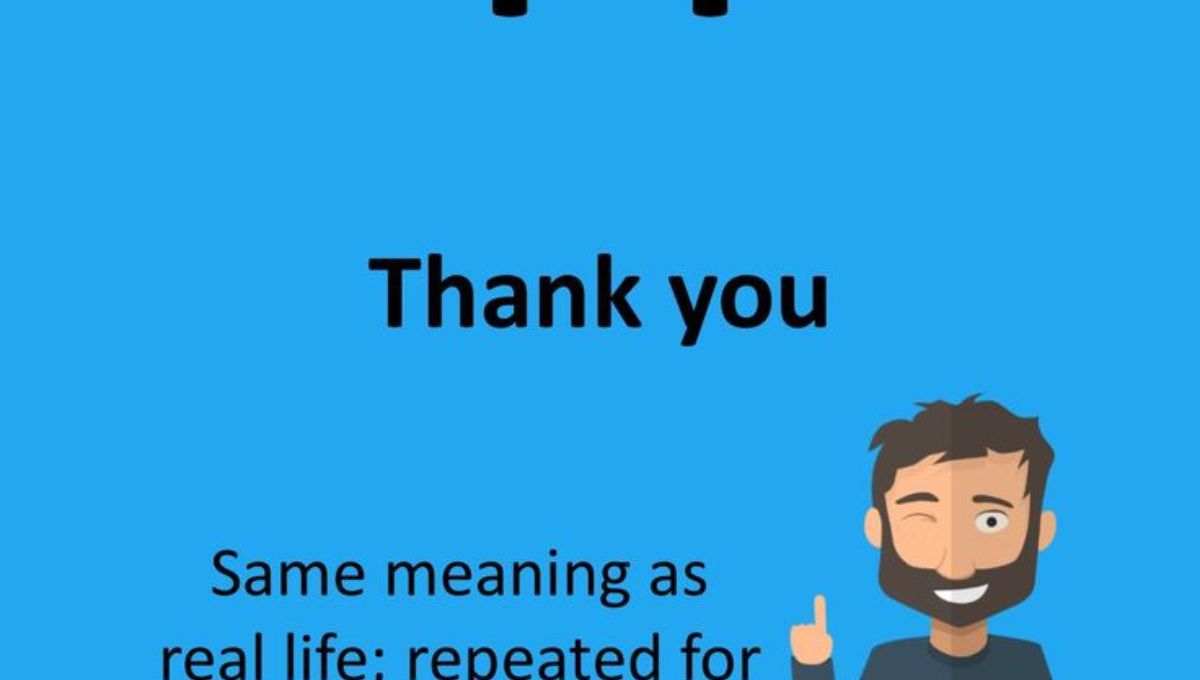
TY stands for “thank you.” That’s it — no hidden meaning, no complicated backstory. It’s a shorthand way to express gratitude quickly, without typing out the whole phrase every time someone helps you, sends you something, or does you a favor.
You’ll find TY all over text messages, chat apps, and social media platforms, and it functions almost exactly like saying “thanks” out loud, just faster. Because so much of modern communication happens through a tiny keyboard on a five-inch screen, abbreviations like this one have become second nature. People aren’t being lazy so much as they’re adapting to how we actually talk now — quick, casual, and to the point.
Here’s a simple example:
A: i sent you the file B: ty 🙏
In that exchange, “ty” carries the exact same weight as a full “thank you.” The tone is warm, the intent is clear, and nobody had to type out four extra letters to get the message across.
Read This Blog:What Does WYT Mean in Text? Complete Guide (2026)
💡 Simple Breakdown:
- TY = Thank You
- Used to express appreciation or acknowledgment
- Common across texting, chat apps, and online messaging
- A form of texting slang that’s become part of everyday online shorthand
- Works as a quick reply when a full sentence feels unnecessary
In short: TY = Thank You = a fast, friendly way to say you’re grateful.
Things You Should Know
- TY means “thank you” across text messages, social media platforms, and messaging apps like WhatsApp, Instagram, TikTok, and Snapchat.
- Reply with “you’re welcome” or a friendly emoji to acknowledge someone’s TY.
- Alternatives like TYVM (“thank you very much”) or THX (“thanks”) work well when you want a slightly different tone.
- TY is casual by nature and generally shouldn’t appear in formal emails or professional writing.
Steps
TY Meaning
TY means “thank you” over text, social media, and online messaging. It can appear in lowercase (“ty”), uppercase (“TY”), or capitalized (“Ty”) — the formatting doesn’t change the meaning. It’s popular across chat apps and social media platforms, though it occasionally shows up informally in workplace messaging tools like Slack.
Examples:
- “TY so much for dinner tonight!”
- “I would’ve been lost without your help, ty!!”
Other Possible Meanings
In certain professional or industry-specific contexts, TY can mean something entirely different. If “thank you” doesn’t fit the sentence, it might refer to:
- Total Yield (finance/stock exchange)
- Target Year (government or planning documents)
- Tax Year (finance and accounting)
- Transposons of Yeast (biology/medicine)
Pronunciation
TY isn’t typically spoken out loud as its own word. If you were reading a text message aloud, you’d naturally say “thank you” rather than pronouncing the letters T and Y individually.
Responding to TY
When someone sends you a TY, they’re acknowledging something you did for them. A simple “you’re welcome,” a warm emoji, or even a quick “anytime!” works perfectly as a reply.
Examples:
- Them: “ty so much for your help today!” You: “Of course! You’re welcome 🙂”
- Them: “I’m so glad you helped set up for the party, ty ty!” You: “Any time!”
📱 Where Is TY Commonly Used?
Because TY is short, easy to type, and universally understood, it shows up just about anywhere people communicate digitally. Whether you’re chatting with a friend, replying to a comment, or thanking a teammate mid-game, TY fits naturally into the conversation without slowing things down.
📍 Popular Platforms:
- 📱 Text messages (SMS)
- 💬 WhatsApp and Messenger
- 👻 Snapchat
- 🎮 Gaming chats (Discord, in-game messaging)
- 📸 Instagram comments and DMs
- 🎵 TikTok replies
- 🐦 Twitter / X replies
- 💼 Slack and other workplace messaging tools (used casually)
🧩 Tone & Style:
- ✔️ Friendly
- ✔️ Casual
- ✔️ Polite
- ✔️ Efficient
- ❌ Not suited for formal writing
💬 Examples of TY in Conversation
Seeing TY in action makes it a lot easier to understand how naturally it fits into everyday online interactions. Here are a few real-life style examples across different platforms and situations:
1. Simple Appreciation
- A: here’s your notes
- B: ty 🙏
2. Friendly Chat
- A: i saved you a seat
- B: ty 😄
3. Quick Reply
- A: i sent the link
- B: ty
4. Gaming Chat
- A: i revived you
- B: ty bro 🔥
5. Social Media Comment
- A: nice pic!
- B: ty 😊
6. Group Chat
- A: happy birthday!!
- B: ty everyone ❤️
7. Workplace Messaging
- A: sent over the updated doc
- B: ty, appreciate it
🕓 When to Use and When Not to Use TY
Like most texting slang, TY works great in some situations and falls flat in others. Knowing the difference helps you avoid sounding either too casual or unnecessarily stiff.
✅ When to Use TY
- Casual conversations with friends
- Social media comments and replies
- Gaming chats and live streams
- Quick replies in group chats
- Informal workplace messaging (with coworkers you know well)
👉 Example:
“ty bro 😄”
❌ When Not to Use TY
- Formal emails
- Job applications
- Academic writing
- Client or customer communication
- First impressions with new professional contacts
👉 Instead, opt for full phrases like:
- “Thank you”
- “Thanks so much”
- “I really appreciate it”
🔄 Other Meanings of TY in Text
While TY overwhelmingly means “thank you” in day-to-day texting, context can shift things slightly. In certain professional or niche settings — finance, government paperwork, or even biology — TY can stand for something else entirely, like “Tax Year” or “Total Yield.” If a text mentions TY in a context where “thank you” doesn’t quite make sense, it’s worth considering an alternate meaning.
Here’s how tone and meaning shift depending on where you see it:
| Context | Example Phrase | Meaning |
| Friend Chat | “ty 😄” | Friendly thanks |
| Gaming | “ty bro 🔥” | Appreciation |
| Formal Writing | “Thank you” | Polite and professional |
| Social Media | “ty 😊” | Casual gratitude |
| Emotional Tone | “ty so much ❤️” | Deep appreciation |
| Professional/Finance | “TY” | Tax Year (rare, context-dependent) |
🔄 Similar Slang Words or Alternatives
TY isn’t the only way to say thanks in digital shorthand. Depending on how much appreciation you want to express, there are several close cousins worth knowing:
| Slang | Meaning | Best Used For |
| THX | Thanks | Very casual texting |
| TYSM | Thank you so much | Strong appreciation |
| TYVM | Thank you very much | Polite, slightly formal gratitude |
| TQVM / TUVM | Thank you very much | Alternate spellings, same meaning |
| TU / TQ | Thank you | Quick, casual thanks |
| TIA | Thanks in advance | Used before receiving help |
| Thanx | Thanks | Informal, playful tone |
🧾 Why People Use TY Instead of “Thank You”
It might seem like a tiny thing, but there are real, practical reasons people default to TY over spelling out “thank you” every single time.
⚡ 1. Speed
Typing “ty” takes a fraction of the time it takes to type “thank you.” When you’re firing off dozens of texts a day, those saved keystrokes add up.
📱 2. Mobile Communication
Most digital conversations now happen on smartphones, not keyboards. Smaller screens and thumb-typing naturally push people toward shorter, quicker replies.
😎 3. Casual Tone
TY feels relaxed. It fits the easygoing, informal communication style that dominates texting between friends, teammates, and followers.
🌐 4. Internet Culture
Online culture, in general, favors abbreviations and shorthand. From social media captions to gaming chats, digital efficiency has become part of how an entire generation communicates.
🧠 Is TY Formal or Informal?
TY is informal. It belongs in casual conversations, not professional or academic settings.
😊 Informal Use:
- “ty bro”
- “ty 😄”
- “omg ty so much”
🧑💼 Formal Use (Avoid):
- Business emails
- Cover letters and job applications
- Academic writing
- Client-facing communication
💡 Emotional Meaning of TY
Even though TY is short, it still carries emotional weight — the trick is knowing how tone and emojis change the feeling behind it.
💛 Neutral:
- “ty” → simple, straightforward appreciation
💙 Friendly:
- “ty 😄” → warm, casual, upbeat
❤️ Strong gratitude:
- “ty so much ❤️” → genuine, heartfelt appreciation
📊 TY vs Full Phrase Comparison
| Type | Example | Tone |
| TY | “ty” | Casual, quick |
| Full Phrase | “Thank you” | Neutral, polite |
| Extended | “Thank you so much” | Warm, emotional |
| Expressive | “TYSM ❤️” | Enthusiastic, strong appreciation |
FAQs
What does TY stand for in text?
TY stands for “thank you” — it’s one of the most widely used forms of texting slang for expressing gratitude.
Is TY rude?
TY isn’t rude at all — it’s simply a shorter, more casual way of saying thanks in digital conversations.
Can I use TY in formal emails?
In formal communication or professional settings, it’s best to write out “thank you” in full.
What is TYSM?
TYSM means “thank you so much.” It expresses stronger appreciation than a plain TY.
Is TY used in gaming chats?
Gamers often use TY to thank teammates for an assist, a revive, or good teamwork during live matches.
What is the difference between TY and THX?
Both mean “thanks,” but TY reads as slightly more polished, while THX feels a bit more casual and clipped.
What does it mean if a girl says “ty”?
It means the exact same thing regardless of who sends it — simply “thank you.” Tone depends on the relationship and context, not gender.
What does TY mean in Gen Z slang?
Among Gen Z, TY functions the same way it always has, though it’s often paired with emojis or reaction stickers to add personality and warmth to an otherwise simple thank-you.
Is TY appropriate for professional messages?
It’s better suited for casual conversations rather than formal or professional communication.
Does TY mean the same thing on every platform?
From Instagram to Discord to WhatsApp, TY consistently means “thank you.”
What’s a stronger version of TY?
TYSM (“thank you so much”) expresses more enthusiasm and appreciation than a plain TY.
Can TY be used sarcastically?
Depending on context and tone, TY can occasionally carry a sarcastic or dismissive tone — pay attention to the rest of the message.
🧾 Final Thoughts
TY is one of the simplest, most widely recognized pieces of texting slang out there. It makes expressing appreciation fast and natural, whether you’re replying to a friend, reacting to a social media comment, or thanking a teammate in the middle of a game.
That said, context still matters. TY works beautifully in casual conversations, but it’s best left out of formal emails, job applications, or professional communication. Keep that distinction in mind, and you’ll never misuse it.
Once you understand what TY means, you’ll start noticing it everywhere — and the next time someone sends it your way, you’ll know exactly how much (or how little) weight it’s carrying.