You’ve typed it a hundred times without thinking twice: “thank you for your reply.” It’s polite. It’s safe. It gets the job done. But somewhere around email number fifty of the week, it starts to feel like autopilot — the professional equivalent of saying “you too” when a waiter tells you to enjoy your meal.
Here’s the thing. A quick reply deserves more than a copy-pasted line, especially when you’re trying to build real relationships with coworkers, clients, or a recruiter who just moved your resume to the top of the pile.
This guide breaks down 25 natural alternatives to “thank you for your reply,” plus the context, tone, and examples you need to actually use them well.
What Does “Thank You For Your Reply” Mean?
At its core, “thank you for your reply” is a polite acknowledgment. Someone took time out of their day to respond to your email, message, or inquiry, and you’re recognizing that effort.
It’s a small phrase that does a lot of work: it shows respect for the other person’s time, it keeps the conversation warm, and it signals that you’re paying attention rather than just firing off requests into the void.
The phrase shows up constantly in business emails, customer service replies, LinkedIn messages, Slack threads, and Microsoft Teams chats.
It works because it’s neutral. It doesn’t overpromise, it doesn’t undersell, and it fits almost any professional relationship — from a brand-new client to a manager you’ve worked with for years.
When to Use “Thank You For Your Reply”
You’ll reach for this phrase (or one of its alternatives) any time someone responds to something you sent them. That includes:
- A client confirming a project detail
- A coworker answering a quick question
- A recruiter following up after you applied for a job
- A customer support agent resolving your issue
- A vendor confirming an order or invoice
- A colleague sharing feedback on a document
Basically, if someone replied and you want to keep the conversation professional and warm, this is your moment. The trick is choosing wording that matches the situation — a formal email to a client calls for different phrasing than a quick Slack message to your work bestie.
Is It Professional or Polite to Say “Thank You For Your Reply”?
Yes, and honestly, there’s nothing wrong with it. It’s grammatically correct, widely accepted, and fits comfortably into formal emails and everyday workplace communication. Professionals across every industry use it daily, and no one’s going to raise an eyebrow if it lands in their inbox.
That said, “professional” doesn’t mean “the only option.” Respectful communication is about matching your tone to the moment, not reciting the same script every time.
Repeating the exact same phrase in every thread can start to feel less like appreciation and more like a canned response — the email equivalent of an auto-reply.
Pros or Cons
Every phrase has trade-offs. Here’s how “thank you for your reply” stacks up.
| Pros | Cons |
| Universally understood — works in formal and semi-formal settings | Overuse makes it sound robotic |
| Builds professional relationships and keeps tone positive | Can feel generic or impersonal |
| Quick and easy to write | Doesn’t distinguish a fast reply from a slow one |
| Fits almost any platform — email, Slack, Teams, LinkedIn | Misses nuance about the effort behind a reply |
Advantages and Disadvantages
Switching things up isn’t automatically the better move — it just shifts the trade-offs somewhere else. Rotating through different phrases keeps your writing sounding natural and lets you fine-tune tone for each relationship, but it does ask a little more of you upfront. Here’s how that balance plays out.
Advantages
- It’s universally understood. No one misreads it, and it works across formal and semi-formal settings.
- It builds professional relationships. A small thank-you signals respect and keeps conversations positive.
- It’s quick to write. You don’t need to overthink it when you’re firing off ten emails before lunch.
- It fits nearly any platform, from formal business emails to quick LinkedIn messages.
Disadvantages
- Overuse makes it sound robotic. Say it in every single email, and it starts to lose meaning.
- It can feel generic. It doesn’t distinguish between a fast reply and a slow one, or a detailed answer versus a one-liner.
- It misses nuance. Sometimes you want to acknowledge someone’s effort, not just the fact that they hit “reply.”
Common Misunderstandings
A lot of people assume “thank you for your reply” is somehow outdated or too plain for modern workplace communication. That’s simply not true — it’s still completely appropriate, and plenty of hiring managers, clients, and coworkers use it themselves.
Another common myth: shorter alternatives like “thanks for the update” sound less respectful than longer, more formal phrasing.
In practice, simple and direct language often reads as more sincere. Polished doesn’t have to mean wordy. Sometimes the most professional thing you can do is get straight to the point.
Similar Terms and Related Phrases
Several phrases live in the same neighborhood as “thank you for your reply,” each with a slightly different flavor:
| Phrase | Best Use | What Makes It Different |
| Thank you for your response | General business emails | Slightly more formal, interchangeable in most contexts |
| Thank you for getting back to me | Everyday workplace communication | Warmer, more conversational |
| Thanks for your quick response | Time-sensitive threads | Highlights speed specifically |
| I appreciate your prompt attention | Urgent matters | Formal, emphasizes priority |
| Thank you for the update | Status reports, project updates | Focuses on new information, not just the reply itself |
| Thank you for your consideration | Requests, applications, approvals | Common in job searches and formal asks |
25 Other Ways to Say “Thank You For Your Reply”
Below are 25 alternatives, organized so you can quickly find the right tone for the right moment — whether that’s a coworker, a manager, a recruiter, or a client.
1. Thanks for Getting Back to Me
This one’s the everyday workhorse. It’s warm, natural, and works well in semi-formal settings like internal team emails or a message to a colleague you know reasonably well.
Example: “Thanks for getting back to me — I’ll update the file based on your notes.”
2. I Appreciate Your Quick Response
Use this when speed actually mattered. Maybe you needed an answer before a deadline, or the other person dropped what they were doing to help.
Example: “I appreciate your quick response, especially with the deadline looming.”
3. Thanks for Taking the Time to Respond
This phrase works best when the reply required real thought — a detailed answer, a favor, or a bit of digging on their end.
Example: “Thanks for taking the time to respond so thoroughly to my questions.”
4. I’m Grateful for Your Response
A little warmer and more personal than the standard phrase, this fits well in relationship-building emails, like following up with a mentor or a long-term client.
Example: “I’m grateful for your response and for the clarity it brought to the project.”
5. Thank You for Getting Back So Quickly
This is a natural way to highlight promptness without sounding overly formal. It’s a good fit for coworkers, vendors, and quick internal check-ins.
Example: “Thank you for getting back so quickly — that really helps me plan the rest of my week.”
6. Thanks for Your Prompt Response
A slightly more formal cousin of “thanks for getting back to me,” this works well in client emails, vendor communication, and business correspondence in general.
Example: “Thanks for your prompt response regarding the contract details.”
7. I Appreciate You Taking the Time to Write Back
This longer, more deliberate phrasing works when you want to acknowledge real effort — like a detailed explanation or a personal note.
Example: “I appreciate you taking the time to write back with such a thoughtful explanation.”
8. Thank You for Following Up
Perfect for situations where someone checked back in on something, whether that’s a status update, a pending decision, or an open question.
Example: “Thank you for following up on the invoice — I’ve processed it now.”
9. Thanks for Reaching Out
This one flips the framing slightly — it acknowledges that someone initiated contact, which works well for networking messages, cold outreach replies, or LinkedIn messages.
Example: “Thanks for reaching out. I’d love to connect further about this opportunity.”
10. I’m Glad You Replied
Casual and warm, this fits informal workplace chat platforms like Slack or Teams, especially with people you talk to regularly.
Example: “I’m glad you replied — I was starting to wonder if the message got buried!”
11. Thank You for Clarifying That
Use this specifically when someone answered a question or resolved confusion. It’s precise and shows you got exactly what you needed.
Example: “Thank you for clarifying that — it makes the next steps much easier.”
12. I Truly Appreciate Your Insight
Reserve this for situations involving expert advice, feedback, or a perspective you genuinely valued, like a mentor’s guidance or a manager’s feedback.
Example: “I truly appreciate your insight on how to approach the client pitch.”
13. Your Response Means a Lot
More personal and heartfelt, this phrase suits situations with an emotional or relational component — think a colleague who went out of their way to help.
Example: “Your response means a lot, especially given how busy you’ve been.”
14. Thanks for Keeping Me Updated
Great for project updates, status reports, and ongoing collaborations where someone regularly loops you in.
Example: “Thanks for keeping me updated throughout the migration.”
15. I Appreciate Your Attention to This Matter
A formal option, well-suited for urgent matters, client concerns, or anything requiring a bit of gravity.
Example: “I appreciate your attention to this matter, especially given the tight timeline.”
16. Thanks for Following Through
This phrase works when someone completed an action tied to their reply — not just responding, but actually doing what they said they would.
Example: “Thanks for following through on the changes we discussed.”
17. I’m Happy You Got Back to Me
Friendly and conversational, this suits informal workplace communication and casual professional relationships.
Example: “I’m happy you got back to me — let’s set up a time to chat further.”
18. Thank You for Taking the Initiative to Reply
Use this when someone responded without being prompted twice, or took ownership of resolving something proactively.
Example: “Thank you for taking the initiative to reply before I even had to follow up.”
19. I’m Thankful for Your Support and Response
This combines gratitude for both assistance and communication, useful in longer-term professional relationships or after receiving real help.
Example: “I’m thankful for your support and response during a hectic week.”
20. Thanks for Sharing Your Thoughts
Ideal for feedback, brainstorming threads, or team collaboration where someone contributed an opinion or idea.
Example: “Thanks for sharing your thoughts on the proposal — really helpful perspective.”
21. Your Message Was Very Helpful
Direct and easy to read, this phrase focuses on the value of the content itself rather than just the act of replying.
Example: “Your message was very helpful in clearing up the confusion around the timeline.”
22. I Appreciate Your Thoughtful Reply
This works well when someone’s response showed real care or nuance, not just a quick one-liner.
Example: “I appreciate your thoughtful reply — you covered exactly what I needed to know.”
23. Thanks for Addressing My Concerns
Use this in customer service, customer support, or any situation where a support representative or colleague resolved an issue you raised.
Example: “Thanks for addressing my concerns so clearly and quickly.”
24. I’m Grateful for Your Detailed Response
Best for situations requiring in-depth answers, like technical explanations, legal clarifications, or complex project questions.
Example: “I’m grateful for your detailed response — it answered every question I had.”
25. Thank You for Staying in Touch
A great fit for long-term professional relationships, ongoing client work, or networking connections you want to maintain.
Example: “Thank you for staying in touch throughout the hiring process.”
Quick Reference Table
| Alternative Phrase | Tone | Best Use |
| Thanks for getting back to me | Semi-formal | Everyday workplace communication |
| I appreciate your quick response | Professional | Time-sensitive replies |
| Thanks for taking the time to respond | Respectful | Detailed answers |
| I’m grateful for your response | Warm | Relationship-building |
| Thank you for getting back so quickly | Friendly | Coworkers, vendors |
| Thanks for your prompt response | Formal | Client and vendor emails |
| I appreciate you taking the time to write back | Warm | Personal, thoughtful replies |
| Thank you for following up | Professional | Status checks, pending items |
| Thanks for reaching out | Friendly | Networking, LinkedIn messages |
| I’m glad you replied | Casual | Slack, Teams, informal chats |
| Thank you for clarifying that | Professional | Follow-up questions |
| I truly appreciate your insight | Respectful | Expert advice, guidance |
| Your response means a lot | Personal | Emotional or relational context |
| Thanks for keeping me updated | Friendly | Project updates |
| I appreciate your attention to this matter | Formal | Urgent matters |
| Thanks for following through | Professional | Completed action items |
| I’m happy you got back to me | Casual | Informal workplace tone |
| Thank you for taking the initiative to reply | Professional | Proactive communication |
| I’m thankful for your support and response | Warm | Ongoing professional relationships |
| Thanks for sharing your thoughts | Friendly | Feedback, team collaboration |
| Your message was very helpful | Direct | Clear, informative replies |
| I appreciate your thoughtful reply | Warm | Nuanced or detailed responses |
| Thanks for addressing my concerns | Professional | Customer support, issue resolution |
| I’m grateful for your detailed response | Formal | Complex or technical answers |
| Thank you for staying in touch | Warm | Long-term relationships |
Bonus Section: Short Polite Text Messages
Not every “thank you” needs a full email. For quick text messages or chat replies, keep it short and natural:
- “Thanks for the quick reply!”
- “Appreciate you getting back to me so fast.”
- “Got it, thanks for the update!”
- “Thanks — that helps a ton.”
- “Really appreciate the quick turnaround.”
These work great on Slack, Teams, or a quick text to a business partner or colleague when a full email would feel like overkill.
Final Thoughts
“Thank you for your reply” isn’t broken — it’s just a little tired from overuse. Swapping in the right alternative shows the other person you’re paying attention, not just running through a script.
Whether you’re emailing a client, following up after an interview, or thanking a coworker for clearing up a question, the right phrase makes your communication feel more genuine and a lot more human.
You don’t need to memorize all 25. Pick four or five that fit your usual workplace communication style, and rotate through them naturally. Small changes like this add up, and over time, they help you build stronger, more respectful professional relationships — one reply at a time.
FAQs
Can I use “Thank You For Your Reply” in casual emails?
Yes. It’s flexible enough for both formal and casual settings, though a shorter version like “thanks for the reply” fits more relaxed conversations better.
What are some informal alternatives?
Try “thanks for getting back to me,” “I’m glad you replied,” or “appreciate the quick response” for a friendlier, more conversational tone.
How can I make “Thank You For Your Reply” sound more genuine?
Add a specific detail about what helped you, like “thank you for clarifying the deadline” instead of a generic thank-you.
When should I avoid saying it?
Skip it in fast-moving message threads or if you’ve already thanked the person earlier in the same conversation — it starts to feel repetitive.
What’s a good formal alternative?
“I appreciate your prompt attention to this matter” or “your response is greatly appreciated” both work well in formal business emails.
Does it sound too formal for friends?
It can, yes. With friends or close coworkers, a casual line like “thanks for the reply!” feels more natural.
Why is acknowledging replies important?
It shows respect for the other person’s time and keeps professional relationships positive and productive.
Can I use it in business communication?
Absolutely. It’s a staple of professional email and works well with clients, vendors, and coworkers alike.
How do I reply after receiving “Thank You For Your Reply”?
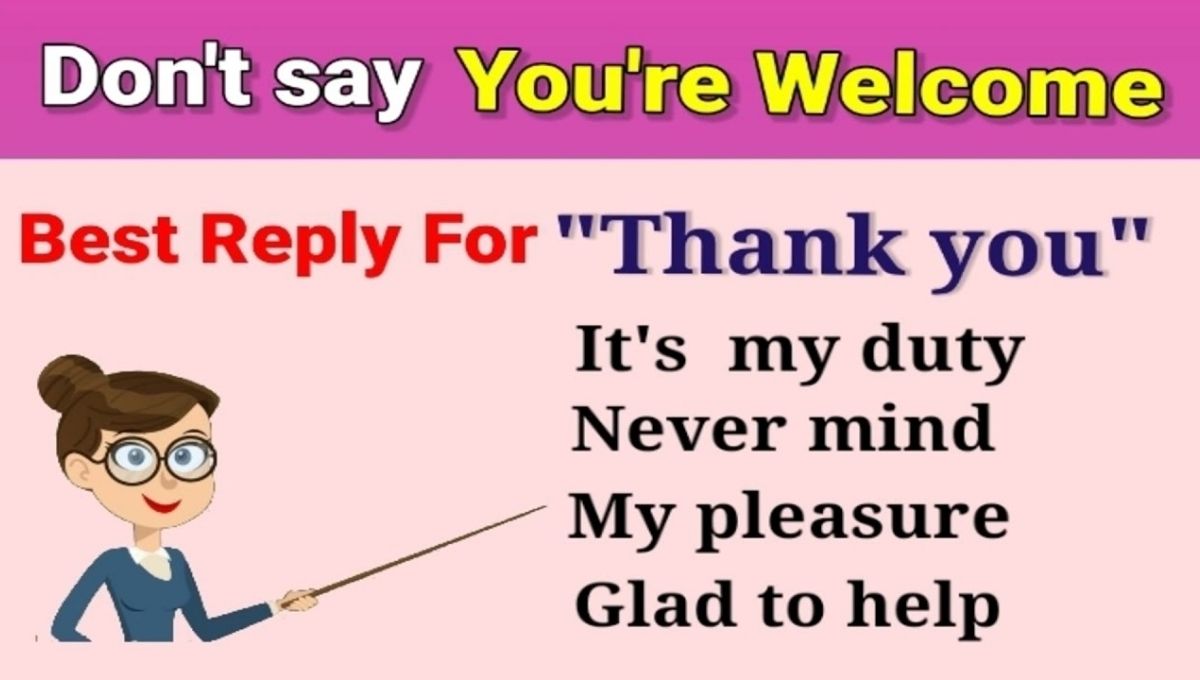
A simple “you’re welcome” or “happy to help” works fine, or you can move straight into the next point of conversation.
What are polite ways to thank someone for replying quickly?
Try “thanks for the quick reply,” “I appreciate your prompt response,” or “thank you for getting back so quickly.”
How can I end an email with gratitude?
Close with a short line like “thanks again for your time” paired with a professional sign-off like “best” or “sincerely.”
Why do alternatives to “Thank You For Your Reply” matter?
They keep your writing sounding natural instead of repetitive, and they let you match tone to the specific relationship or situation.
What’s the best tone for professional gratitude?
Aim for a friendly but professional tone — warm enough to feel sincere, polished enough to stay appropriate for workplace communication.