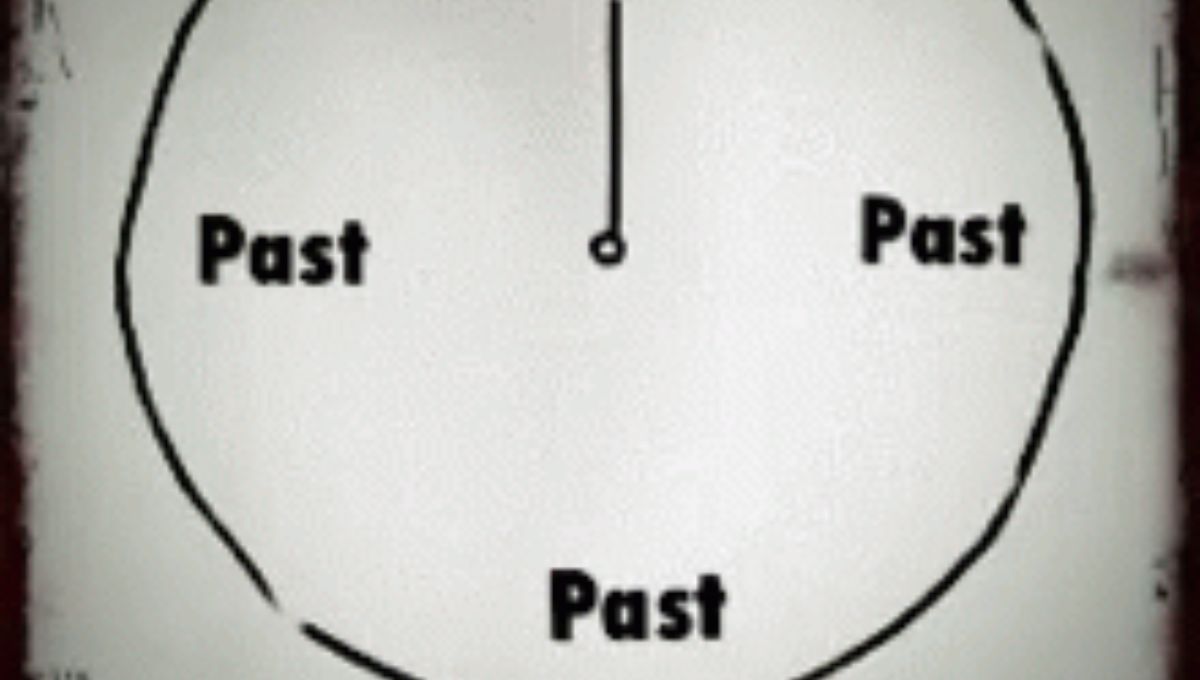
We’ve all got that one memory that pops up uninvited — a mistake from three jobs ago, an argument with a sibling, a decision you’d redo in a heartbeat if you could. Dwelling on it doesn’t change a thing, and deep down, you know that.
But hearing “past is past” for the hundredth time can feel like a shrug instead of real comfort, especially when you’re the one still carrying the weight.
That’s exactly why this list exists. Below, you’ll find 25 alternative ways to say the same thing — that old mistakes don’t get to run your present or your future — without repeating the same tired phrase every single time.
Whether you’re comforting a friend, writing a work email after a rough project, or just trying to talk yourself off the ledge of an old regret, one of these will fit the moment better than you’d expect.
What Does “Past is Past” Mean?
The past is past meaning is pretty straightforward once you break it down: whatever already happened, happened. Previous events, past mistakes, and past regrets can’t be rewritten, no matter how many times you replay them in your head.
The phrase pushes you to stop staring in the rearview mirror and start looking through the windshield instead.
At its heart, this saying is about acceptance. It reminds you that the past cannot define your present, and it definitely can’t define your future — not unless you let it. What is already done is done, full stop.
You can still learn from it, sure. Nobody’s saying to erase the lesson along with the memory. But there’s a real difference between learning from mistakes and getting stuck replaying them on a loop.
This phrase also carries a quiet kind of permission. It gives you (or whoever you’re saying it to) the green light to stop apologizing for something that’s already been addressed, to stop punishing yourself for a decision that can’t be undone, and to actually focus on the present instead of getting stuck defending or explaining old choices forever.
Read This Blog:25 Other Ways to Say “This Too Shall Pass” (With Examples)
When to Use “Past is Past”
Not every moment calls for this phrase, and honestly, using it at the wrong time can backfire. It works best when:
- You want to reassure someone about a mistake they keep bringing up
- The conversation needs to shift from blame toward solutions rather than blame
- You’re encouraging personal growth or professional growth after a setback
- Someone’s stuck rehashing an old argument that’s already been resolved
- A team needs to stop pointing fingers and start moving forward
Is It Professional/Polite to Say “Past is Past”?
Yes, generally speaking, this phrase is both polite and professional — when you use it right. It signals emotional maturity and shows you’re focused on constructive action instead of dwelling on who did what.
Managers use it to redirect a team after a missed deadline. Coworkers use it after a tense meeting to reset the tone. Even in a formal email, it can land well if you frame it with care.
The trick is pairing it with acknowledgment. Saying “past is past” cold, with zero context, can feel like a brush-off — like you’re rushing someone past something that still stings.
But saying, “I hear you, that project was rough on all of us, and past is past — let’s figure out how we tighten things up going forward,” does something totally different. It shows you’re not ignoring what happened. You’re just refusing to let it define what happens next.
Pros or Cons of Using “Past is Past”
| Pros | Cons |
| Encourages moving forward instead of dwelling | Can feel dismissive if used too abruptly |
| Simple, clear, and universally understood | Weak fit for situations needing real reflection |
| Builds emotional resilience over time | May come off too casual in very formal contexts |
| Shifts focus from blame to problem-solving | Doesn’t address accountability on its own |
| Works across personal and professional settings | Overuse can sound like deflection, not comfort |
Like most short, punchy phrases, this one’s a tool — not a fix-all. Used with intention, it clears the air. Used carelessly, it can shut a conversation down before it’s actually finished.
25 Alternatives to “Past is Past”
Here are 25 fresh ways to say it, each with a clear meaning, a real example, and guidance on when it fits best.
Let Bygones Be Bygones
Meaning & Explanation:
This classic line leans hard into forgiveness. It’s a gentle nudge to stop dwelling on old conflicts or past regrets and start fresh with a clean slate.
Example:
“I know we argued yesterday, but let bygones be bygones — we can start fresh today.”
Best Use:
Personal conflicts, friendships, casual professional disputes.
Worst Use:
When the disagreement needs real, in-depth discussion first. Tone: Warm, conciliatory, reassuring.
What’s Done is Done
Meaning & Explanation:
A no-nonsense way of saying past actions cannot be undone. It signals acceptance while pointing the conversation toward the present and future.
Example:
“The report had errors, but what’s done is done. Let’s correct them moving forward.”
Best Use:
Professional or personal moments emphasizing learning from mistakes.
Worst Use:
When the other person expects accountability addressed first.
Tone:
Matter-of-fact, encouraging, pragmatic.
Move On
Meaning & Explanation:
Direct, no frills. This phrase encourages someone to let go of what already happened and put their energy into progress instead.
Example:
“We missed the deadline, but it’s time to move on and prepare for the next project.”
Best Use:
Motivational contexts, personal growth conversations.
Worst Use:
Can feel abrupt if emotions are still raw.
Tone:
Direct, encouraging, motivating.
Leave the Past Behind
Meaning & Explanation:
A softer invitation to release old mistakes and regrets. It doesn’t rush anyone — it just gently points toward the present moment.
Example:
“We can’t change last year’s decisions, so let’s leave the past behind and plan for the future.”
Best Use:
Motivational talks, personal growth discussions.
Worst Use:
When reflection is genuinely needed to understand what went wrong.
Tone:
Uplifting, encouraging, calm.
Let It Go
Meaning & Explanation:
Short, simple, and deeply empathetic. This phrase is about releasing emotional baggage, not just the facts of what happened.
Example:
“I know it hurt, but sometimes you just have to let it go.”
Best Use:
Emotional support, informal conversations between close friends or family.
Worst Use:
If the person isn’t ready to accept closure yet.
Tone:
Gentle, compassionate, understanding.
Water Under the Bridge
Meaning & Explanation:
A vivid metaphor — picture the water flowing past and never coming back. It suggests past troubles no longer touch the present.
Example:
“Yes, there were mistakes, but that’s water under the bridge now.”
Best Use:
Professional disputes, personal reconciliations.
Worst Use:
When accountability is still on the table.
Tone:
Relaxed, reassuring, neutral.
Behind Us
Meaning & Explanation:
Short and clean. It marks past events as finished business that shouldn’t shape current decisions.
Example:
“All the delays are behind us; we can now focus on completing the project.”
Best Use:
Workplace updates, team encouragement.
Worst Use:
When lessons from those delays haven’t actually been reviewed.
Tone:
Professional, positive, forward-looking.
Out with the Old
Meaning & Explanation:
Playful and energetic, this phrase encourages leaving old habits, systems, or past mistakes behind to make room for something better.
Example:
“The old system caused delays, but out with the old, in with the new software.”
Best Use:
Organizational change, personal transformation.
Worst Use:
Can feel dismissive if past contributions get ignored entirely.
Tone:
Energetic, motivational, light-hearted.
No Looking Back
Meaning & Explanation:
All about forward momentum. This phrase pairs determination with a clean break from the past.
Example:
“We’ve learned from our mistakes — now it’s no looking back from here.”
Best Use:
Goal setting, motivational speeches.
Worst Use:
When careful planning actually requires looking at what happened first.
Tone:
Confident, determined, encouraging.
Time Heals
Meaning & Explanation:
A gentler, more patient phrase. It acknowledges that time heals emotional pain, even if it takes a while to feel that relief.
Example:
“I know it hurt, but time heals, and soon this will be easier to accept.”
Best Use:
Emotional support, healing conversations.
Worst Use:
Can feel dismissive if someone needs immediate attention right now.
Tone:
Compassionate, patient, gentle.
Start Fresh
Meaning & Explanation:
Invites a genuine new beginning, free from the weight of old mistakes.
Example:
“It’s a new week — let’s start fresh and tackle our goals.”
Best Use:
Workplace resets, personal growth, goal planning.
Worst Use:
Ignoring conflicts that are still unresolved underneath.
Tone:
Optimistic, motivating, refreshing.
Brush It Off
Meaning & Explanation:
Casual and light. This one works well for minor mistakes that don’t deserve much weight at all.
Example:
“Everyone makes errors — just brush it off and continue.”
Best Use:
Casual workplace moments, everyday encouragement.
Worst Use:
Serious matters that genuinely need reflection first.
Tone:
Casual, light-hearted, reassuring.
Move Forward
Meaning & Explanation:
Focuses entirely on action. Rather than dwelling on what went wrong, this phrase points straight toward the next step.
Example:
“The project didn’t go as planned, but let’s move forward with the next phase.”
Best Use:
Problem-solving, leadership advice.
Worst Use:
Ignoring lessons that genuinely need review before moving on.
Tone:
Practical, encouraging, optimistic.
No Point in Looking Back
Meaning & Explanation:
A firmer, more pragmatic way of saying dwelling on the past won’t change anything.
Example:
“The errors are done — no point in looking back, let’s act now.”
Best Use:
Motivational coaching, team leadership.
Worst Use:
When real lessons still need to be drawn from what happened.
Tone:
Firm, pragmatic, motivating.
Let the Past Stay
Meaning & Explanation:
A calm, almost soothing way of encouraging someone to leave old events exactly where they belong — behind them.
Example:
“We’ve learned enough. Let the past stay where it belongs.”
Best Use:
Emotional closure, counseling conversations.
Worst Use:
If unresolved conflicts are still lingering underneath.
Tone:
Calm, soothing, empathetic.
Forgive and Forget
Meaning & Explanation:
Pairs two powerful ideas — forgiveness and release — into one classic phrase that reduces emotional burden.
Example:
“He apologized. It’s time to forgive and forget.”
Best Use:
Personal relationships, conflict resolution.
Worst Use:
When accountability genuinely needs to happen first.
Tone:
Compassionate, gentle, reconciliatory.
Past is Behind Us
Meaning & Explanation:
A clean, confident statement marking previous challenges as officially over.
Example:
“All the setbacks are past is behind us — let’s move on.”
Best Use:
Team updates, motivational speeches.
Worst Use:
Ignoring lessons that haven’t actually been learned yet.
Tone:
Positive, forward-looking, empowering.
History is History
Meaning & Explanation:
Casual and direct. It’s a quick way of reminding someone that previous events are locked in and unchangeable.
Example:
“The mistake is done. History is history — now let’s focus on solutions.”
Best Use:
Workplace conversations, personal reflection.
Worst Use:
Moments that genuinely call for reflection instead of a quick brush-off.
Tone:
Informal, direct, reassuring.
Forget the Past
Meaning & Explanation:
Blunt and direct. It’s a straightforward push to stop thinking about old errors or regrets.
Example:
“Don’t let the failure hold you back — forget the past.”
Best Use:
Motivational, personal development conversations.
Worst Use:
Can feel abrupt if someone’s emotions are still raw.
Tone:
Direct, encouraging, firm.
Let Yesterday Go
Meaning & Explanation:
Poetic and gentle, this phrase encourages releasing what already happened in favor of today’s fresh start.
Example:
“Let yesterday go — today is a new opportunity.”
Best Use:
Daily reflection, self-improvement conversations.
Worst Use:
When past patterns genuinely need to be discussed and addressed.
Tone:
Gentle, optimistic, uplifting.
Don’t Dwell on It
Meaning & Explanation:
Practical advice against overthinking something that can’t be changed anyway.
Example:
“We can’t fix it now — don’t dwell on it.”
Best Use:
Quick encouragement, problem-solving moments.
Worst Use:
When someone actually needs to reflect in order to learn.
Tone:
Casual, practical, supportive.
Leave it in the Past
Meaning & Explanation:
A firm but caring suggestion to stop carrying old errors forward into the present.
Example:
“Your mistakes are forgiven — leave it in the past.”
Best Use:
Emotional closure, mentorship conversations.
Worst Use:
Ignoring issues that are still genuinely unresolved.
Tone:
Compassionate, firm, reassuring.
Past Woes are Gone
Meaning & Explanation:
Highlights that old troubles no longer hold any weight or relevance today.
Example:
“The challenges we faced last year? Past woes are gone.”
Best Use:
Motivational talks, reflection sessions.
Worst Use:
Overly casual for genuinely serious situations.
Tone:
Positive, uplifting, light.
Don’t Look Back
Meaning & Explanation:
Encourages forward-thinking confidence, leaving old mistakes fully behind.
Example:
“The setback is over — don’t look back, move ahead confidently.”
Best Use:
Goal setting, leadership advice.
Worst Use:
Can feel abrupt if reflection is genuinely needed first.
Tone:
Confident, motivating, empowering.
Let Bygones Pass
Meaning & Explanation:
A gentler cousin of “let bygones be bygones,” this phrase softly encourages letting old disagreements fade without dwelling.
Example:
“We had our differences, but let bygones pass.”
Best Use:
Personal conflicts, reconciliations.
Worst Use:
When accountability is still genuinely required.
Tone:
Gentle, conciliatory, warm.
How Letting Go Actually Plays Out in Real Life
You don’t have to look far to see this phrase in action. Watch any HGTV show and you’ll see it play out in real time — a couple mid-renovation, tempers flaring over a budget that’s ballooned way past what anyone expected.
The interior designer steps in, calms things down, and reminds the boyfriend-and-girlfriend-turned-business-partners that the overspending on tile is behind them now, and what matters is finishing the kitchen on schedule. Marriage counselors use a version of this line constantly too — helping couples work through an old argument by acknowledging it happened, then gently steering the conversation toward what they can actually control going forward.
The sentiment shows up everywhere stress and history collide: in a business partner dispute, a strained marriage, or a TV host smoothing over an awkward on-air moment. The specific words change, but the goal stays the same — stop relitigating the past and start building the next chapter.
How to Choose the Right Alternative
Picking the best phrase comes down to a few practical questions:
- How close is the relationship? A best friend can handle “let it go.” A coworker might need something closer to “let’s move forward.”
- What’s the channel? Texts and casual chats can handle shorter, punchier phrases. Work emails usually call for something a touch more polished, like “past is behind us” or “let’s start fresh.”
- Does the person need closure, or a nudge toward action? Someone still processing grief needs “time heals.” Someone stalling on a project needs “move on.”
Real-Life Examples: Using These Phrases in Context
- After a friend’s breakup: “I know it’s been a rough few weeks, but let it go when you can — you deserve peace, not more heartbreak replaying in your head.”
- A manager addressing a missed deadline: “The delay put us behind, but that’s behind us now. Let’s map out how we hit the next one.”
- A note to a family member after an old disagreement: “We’ve talked it through enough times. Let’s let bygones be bygones and enjoy the holidays together.”
- Encouraging a struggling team: “Last quarter’s numbers weren’t what we hoped for, but history is history. Let’s focus on what we can control this quarter.”
Common Mistakes to Avoid When Saying “Past is Past”
- Using it before the other person feels heard. Skip the acknowledgment, and it sounds like you’re rushing them.
- Overusing it until it sounds like deflection. If every hard conversation ends with “past is past,” people stop believing you mean it.
- Applying it to situations needing real accountability. Some mistakes need an apology first, not just a pivot to the future.
- Sounding curt instead of caring. Tone matters more than the words themselves — deliver it warmly, not dismissively.
Final Thoughts
Learning to express past is past in fresh, varied ways changes how people receive the message. Instead of sounding like a brush-off, it becomes a genuine offer of emotional support — a way to acknowledge previous mistakes while gently steering the conversation toward the present and future.
These alternatives ease tension in both personal relationships and professional relationships, and they do it by promoting forgiveness, closure, and real growth.
Whether you’re offering reassurance, working toward reconciliation, or trying to motivate a team after a setback, the right phrase — from “let bygones be bygones” to “move forward” — keeps the conversation solution-focused instead of stuck in blame.
The past cannot define your present or your future. But the words you choose today? Those absolutely shape what comes next.
FAQs
What does “Past is Past” mean?
It means previous events, mistakes, or regrets are over and can’t be changed. The phrase encourages focusing on the present and future instead of replaying what’s already done.
When should I use “Past is Past”?
Use it when reassuring someone about a mistake, shifting a conversation toward solutions, or encouraging growth after a setback. It works best in both personal and professional settings.
Is “Past is Past” polite?
It’s polite and professional when delivered with care. It signals emotional maturity, as long as you’re not using it to dodge accountability.
Can I use “Past is Past” in work emails?
It works well in professional communication to acknowledge a prior challenge while pivoting toward solutions, as long as the tone stays respectful and not dismissive.
What are alternatives to “Past is Past”?
Some solid options include “let bygones be bygones,” “what’s done is done,” “move on,” and “leave the past behind.” Each one carries a slightly different tone for different situations.
Does “Past is Past” mean forgetting everything?
It’s about acceptance and moving forward, not erasing valuable lessons. You can still learn from a mistake without letting it define you.
Is it suitable for emotional support?
When delivered gently. It offers comfort and closure, reassuring someone that a mistake or regret doesn’t define who they are.
Can it be used with children?
Simpler phrases like “let it go” or “move on” help kids understand mistakes without dwelling on regret or shame.
How does it help in relationships?
It reduces tension, encourages forgiveness, and promotes healthy communication, helping both people move forward without holding onto old grudges.
Is it casual or formal?
It works in both. Context and tone determine the fit — casual chats handle it easily, and it holds up fine in more formal settings too, when phrased thoughtfully.
What is the best tone to use?
A gentle, empathetic, and encouraging tone works best. The goal is making the listener feel understood, not brushed aside.
Can it motivate teams?
Phrases like “move forward” or “leave it in the past” help teams stay focused on solutions and productivity instead of dwelling on past failures.
How can I make it sound more empathetic?
Pair it with acknowledgment of feelings first. For example: “I understand this was difficult, but past is past — let’s focus on what we can do now.”
Are there cultural considerations?
Some cultures value more formal reconciliation or discussion before moving on. Always read the room and consider your audience before jumping straight to closure.
What’s the overall benefit?
Using “past is past” or its alternatives releases emotional weight, builds resilience, encourages personal growth, and strengthens both personal and professional relationships over time.





1 thought on “25 Other Ways to Say “Past is Past” (With Examples)”