You’re scrolling through your messages and someone just sent you “HU?” out of nowhere. No context, no punctuation, just two letters staring back at you.
It’s a strange feeling, isn’t it? You know it’s probably not a typo, but you’re not totally sure what to say back.
Here’s the short version: HU means “How are you?” It’s one of the friendliest, lowest-effort check-ins in modern digital communication, and once you know it, you’ll spot it everywhere — texts, DMs, comments, group chats.
This guide breaks down exactly what HU means, where it came from, how people use it, and how to reply so you never freeze up over two letters again.
What Does HU Mean in Text?
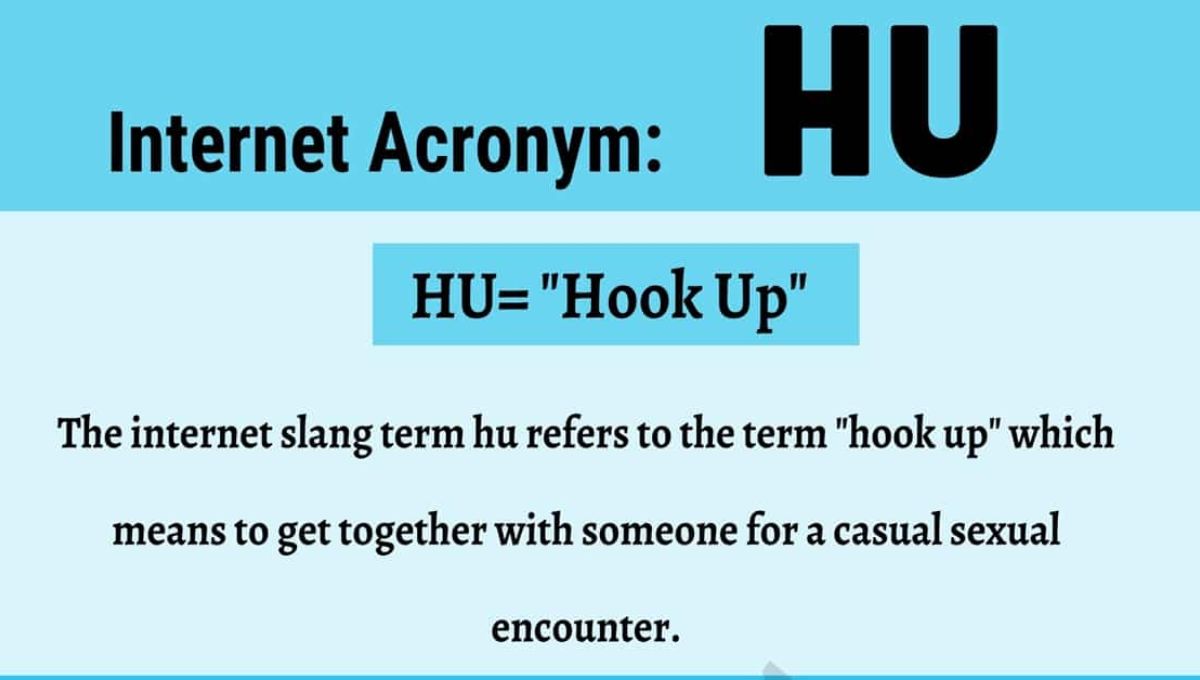
In texting slang, HU stands for “How are you?” It’s a casual abbreviation people use to check in on someone quickly, without typing out a full sentence.
Think of it as the texting equivalent on a quick wave or a “hey, you good?” — friendly, low-stakes, and meant to open a conversation rather than close one.
You’ll mostly see HU meaning in text used among friends, classmates, coworkers you’re casual with, or people you follow on social media. It carries a warm, conversational tone rather than a formal one, which is exactly why it caught on.
Nobody wants to type “How are you doing today?” every single time they want to check on a friend, so language did what it always does: it got shorter.
Read This Blog…Thank You for Your Patience: Meaning & What It Really Means (+ Examples)
Definition of HU
If you want a clean, dictionary-style definition, here it is:
HU (informal, texting slang): A shorthand greeting used in digital communication to ask “How are you?” Commonly used in casual conversations across messaging apps and social media platforms.
That’s really the whole definition. Unlike a lot of internet acronyms that shift meaning depending on where you see them, HU stays pretty consistent. It’s not sarcastic, it’s not a hidden reference to something else, and it doesn’t carry a double meaning the way some slang terms do. It means what it looks like it means: someone wants to know how you’re doing.
What Does HU Stand For?
Literally, HU stands for “How [are] yoU” — a phonetic shortcut rather than a true acronym.
Most texting abbreviations fall into one of two camps: initialisms, which stand for the first letter of each word (like BRB for “be right back”), or phonetic compressions, which mimic the sound of the phrase.
HU leans toward the second category, closer to how “u” replaces “you” or “b4” replaces “before.”
That distinction matters because it explains why HU feels so intuitive once you see it written out. Your brain doesn’t have to decode a formal acronym; it just has to hear the sound.
Say “H-U” out loud a couple of times and you’ll notice it practically rhymes with “how are you” when you say it fast.
Origin & Background
Texting abbreviations didn’t appear overnight. Back when phones had actual number keys and every text cost a few cents, people shortened everything they could to save time and character space.
That era gave us classics like LOL, BRB, and TTYL, and it set the tone for how people would keep compressing language even after smartphones made typing easier.
HU meaning in text grew out of that same instinct, even though full keyboards eventually made abbreviations less about necessity and more about style.
Speed typing, muscle memory, and the desire to sound casual rather than stiff all kept shorthand alive.
Modern digital communication rewards brevity: shorter texts get read faster, feel less demanding, and match the quick, back-and-forth rhythm of how people actually talk online. HU fits right into that pattern as a fast, low-pressure way to open a conversation.
It’s also worth noting that HU isn’t tied to one platform or one generation. You’ll find it in group chats among teenagers and in DMs between adults who’ve been texting each other for over a decade. Slang like this spreads because it’s useful, not because it belongs to any single community.
Read This Blog…What Does WH Mean in Text Messages Today? The Complete 2026 Guide 🤔💬
Common Misunderstandings
Even simple slang can trip people up, especially if they’re new to texting culture or just don’t see the term often. Here are the most common mix-ups people run into with HU.
1. People Think It Means “Hello”
Because HU is short and shows up as an opener, some readers assume it’s just a greeting like “hey” or “hello.”
It’s close, but not quite — HU specifically asks about your well-being rather than just saying hi. Think of it as a greeting with a built-in question attached.
2. It Can Sound Rude
Out of context, a bare “HU?” with no punctuation or emoji can come across as blunt or even annoyed, especially over text where tone doesn’t translate well.
In reality, it’s almost never meant that way. The bluntness is just a side effect of shorthand, not an attitude.
3. It May Be Misread as a Typo
Some people genuinely mistake HU for a typo of “who” or “you,” especially if autocorrect has trained them to expect real words. Context clues usually clear this up fast: if someone sends “HU?” out of nowhere with no other conversation happening, it’s almost certainly the greeting, not a typo.
4. Not Everyone Recognizes It
Texting slang isn’t universal. Someone unfamiliar with informal acronyms might stare at “HU” and have no idea what it means, particularly if they don’t spend much time on messaging apps or social media platforms. That’s part of why it’s smart to gauge your audience before leaning on shorthand.
Similar Terms & Alternatives
HU doesn’t exist in isolation. It’s part of a whole family of casual greetings and texting abbreviations that all serve a similar purpose: keeping conversations quick, friendly, and low-pressure.
Some of the most common alternatives include HBU, WYD, Sup, and HMU, each with its own slightly different flavor.
Knowing these alternatives helps you read casual conversations more fluently and gives you options depending on the vibe you’re going for. A quick “Sup?” feels a bit more relaxed than “HU?”, while “HMU” carries more of an invitation to actually meet up or call, rather than just check in over text.
How to Respond to HU
Replying to HU doesn’t require much thought, but matching the tone matters. Here are a few natural ways to respond:
- “I’m good, thanks! HU?” — classic, friendly, and reciprocal
- “Doing well! How about you?” — slightly more spelled-out, still casual
- “Pretty busy today, but HU?” — honest and still keeps the conversation going
- “All good here! What’s up?” — shifts the conversation forward instead of just answering
Comparison Table
Here’s how HU stacks up against some of the most common texting abbreviations you’ll run into in casual conversations:
| Abbreviation | Meaning | Tone | Typical Use |
| HU | How are you? | Friendly, casual | Opening a conversation, checking in |
| HBU | How about you? | Conversational | Reciprocal follow-up question |
| WRU | Where are you? | Informal | Checking someone’s location |
| SMH | Shaking my head | Casual, expressive | Reacting to something disbelief-worthy |
| BRB | Be right back | Informal | Pausing a conversation briefly |
| GM | Good morning | Friendly | Time-specific greeting |
| HMU | Hit me up | Informal, inviting | Encouraging someone to reach out |
| LOL | Laugh out loud | Casual | Reacting to something funny |
| TTYL | Talk to you later | Informal | Ending a conversation |
| BTW | By the way | Neutral, casual | Adding extra context |
| YO | Hey / Hello | Very casual | Quick greeting |
| Sup | What’s up? | Very casual | Quick, relaxed greeting |
Variations / Types of HU Usage
HU rarely shows up as a stand-alone word. In real conversations, people bend it into small variations depending on the situation. Here’s a rundown of the most common forms you’ll actually see in text messages and chats.
1. HU?
The simplest, most direct form. A bare “HU?” usually opens a conversation or breaks a silence after some time apart.
2. HU This?
Used when someone’s checking in about a specific event, plan, or situation rather than the person’s general state — for example, “HU this weekend?”
3. HU Again?
Playful and familiar, often used between people who text often, almost as a running joke about how frequently they check in on each other.
4. HU Even Are You?
A more expressive, exaggerated version — sometimes used humorously to add emphasis or catch someone off guard in a fun way.
5. HU Texting?
Asks specifically whether someone is available or in the mood to chat right now, distinct from asking how they feel overall.
6. HU Calling?
A quick way to ask if someone’s up for a phone or video call instead of texting back and forth.
7. HU There?
Checks whether someone’s still active in the conversation, often sent after a message goes unanswered for a while.
8. HU Dis?
A more slang-heavy variation, sometimes used when someone doesn’t immediately recognize the number or contact they’re texting with.
9. HU Now?
Implies some time has passed since the last check-in — useful after an event, appointment, or stressful day.
10. HU Lol
Adds a light, joking tone to soften the check-in, often used between close friends who text in a more relaxed, humor-driven style.
Why “HU” Is Popular in Modern Texting (2026 Communication Style)
Modern digital communication moves fast, and HU meaning in text fits that pace perfectly. People today juggle dozens of conversations across multiple messaging apps at once — WhatsApp, Messenger, Instagram, Discord — and nobody has the patience to type a full greeting every single time. Shorthand like HU keeps things moving without losing the personal touch.
There’s also a cultural shift worth noting: texting in 2026 leans more toward quick, informal exchanges than the more structured messaging habits of a decade ago.
Voice notes, reactions, and abbreviations have replaced a lot of full sentences, and HU is a small but telling example of that trend. It’s proof that even something as simple as asking how someone’s doing has adapted to fit a faster, more casual digital communication style.
Why Slang Like “HU” Matters in Modern Communication
It’s easy to dismiss texting slang as lazy, but that undersells what it actually does. Terms like HU keep communication concise without stripping away warmth.
A quick “HU?” from a friend can carry just as much genuine care as a longer message, especially in relationships where casual, frequent check-ins matter more than formal ones.
Slang also builds a shared shorthand between people who talk often. Two friends who text every day develop their own rhythm, and abbreviations like HU become part of that rhythm rather than a shortcut that cheapens the conversation.
In that sense, informal shorthand isn’t a decline in communication skills; it’s an adaptation that keeps up with how people actually connect today.
Case in point: Picture two coworkers, Mia and Jordan, who message each other constantly throughout the workday but rarely have time for long conversations. A simple “HU?” between tasks lets them check in without derailing anyone’s focus.
It’s a small gesture, but over time, those quick check-ins are exactly what keep a casual work friendship warm.
Differences From Similar Words
HU specifically asks about someone’s well-being, which sets it apart from greetings like GM (Good Morning) or follow-up questions like HBU (How About You?).
GM is time-specific and works as an opener tied to the time of day, while HBU almost always follows someone else’s answer rather than starting the conversation on its own.
This distinction matters more than it might seem. Swap HU for HBU in the wrong spot and the message reads oddly, like answering a question nobody asked. Keeping these terms straight helps your texting style feel natural rather than mixed up.
How HU Is Used in Text Messages
HU shows up in a handful of predictable, everyday situations:
- Reconnecting after a while: “HU? Haven’t heard from you in ages.”
- Social media comments: “HU? Hope everything’s good over there.”
- Group chats: “HU everyone? How’s the week treating you?”
- After a big event: “HU after the interview? How’d it go?”
Examples of HU in Sentences
- HU? Long time no see!
- Just wanted to check in — HU?
- HU today? Everything okay?
- Hey, HU? Missed your call earlier.
- HU after the meeting?
- HU lately? Feels like forever since we talked.
- HU this morning? Rough day?
HU Examples in Chat Conversations
Conversation 1
Alex: HU? Sam: I’m good! HU?
Conversation 2
Jamie: HU? Haven’t talked in ages. Taylor: Doing well, thanks. HU?
Conversation 3
Lily: HU today? Mia: Pretty busy, but hanging in there. HU?
When Should You Use HU?
HU fits naturally into casual conversations with friends, peers, and close acquaintances. It works well on social media, in informal messaging, and in lighthearted check-ins where you’re not trying to make a strong impression — just maintain a friendly connection. If your relationship with someone already runs casual, HU almost always lands fine.
When Not to Use HU?
Skip HU in professional emails, formal letters, academic writing, or any communication where proper grammar and etiquette matter.
It’s too relaxed for business settings, first messages to strangers in a professional context, or workplace communication where clarity carries more weight than casual tone. When in doubt, spell it out: “How are you?” never reads wrong.
Similar Words or Alternatives to HU
- HBU – How about you?
- GM – Good morning
- HMU – Hit me up
- WRU – Where are you?
- LOL – Laugh out loud
- BRB – Be right back
- TTYL – Talk to you later
- BTW – By the way
- YO – Hey / Hello
- Sup – What’s up?
Conclusion
HU meaning in text boils down to something refreshingly simple: a fast, friendly way to ask “How are you?” It’s not formal, it’s not complicated, and once you recognize it, you’ll never second-guess a random “HU?” text again.
From casual chats with friends to quick check-ins in group texts and social media comments, HU keeps modern digital communication moving without losing that personal, caring touch. Use it where it fits, skip it where it doesn’t, and you’ll navigate texting slang like a pro.
FAQs
Is HU formal or informal?
Informal. Save it for casual conversations, not professional or formal communication.
Can HU be used on social media?
It’s common in comments and DMs on Instagram, Snapchat, and Twitter.
Is HU the same as HBU?
HU asks “How are you?” while HBU means “How about you?” and usually follows an answer rather than starting the conversation.
Can HU be used with strangers?
It’s best kept for people you already know casually. With strangers, it can feel abrupt.
How is HU different from GM?
GM is a time-specific morning greeting, while HU asks about someone’s well-being at any time of day.
Is HU a popular texting abbreviation?
It’s widely used across messaging apps and social media platforms for its simplicity.
Can HU be used in professional chats?
Stick to full greetings like “How are you?” in workplace or business communication.
Are there alternatives to HU?
HBU, Sup, GM, and HMU are common alternatives with slightly different tones.
Does HU have a negative tone?
It’s neutral and friendly; tone depends on context and your relationship with the sender.
Can HU be used in group chats?
It works well as a casual way to check in with everyone at once.
Is HU slang or acronym?
Both, in a sense — it’s informal slang that functions like a phonetic shorthand rather than a strict acronym.
How do you use HU in a sentence?
Example: “Hey! HU today? Hope everything’s going well.”
Is HU texting abbreviation gender-specific?
Anyone can use HU regardless of gender.
How often should you use HU?
Use it whenever a casual check-in feels natural. Overusing it in every message can start to feel repetitive.
Can HU be misunderstood?
Especially by people unfamiliar with texting slang. When in doubt, spell out “How are you?” instead.
How can you make HU sound more polite?
Add warmth: “HU? Hope you’re doing well today!” softens the shorthand and makes it feel more considerate.
What apps commonly use HU?
WhatsApp, Messenger, Snapchat, Instagram, and Discord all see frequent use of HU in casual conversations.
Why do people use HU instead of “Who”?
They’re unrelated. HU is shorthand for “How are you?” while “who” is a completely different word — context makes the difference obvious.
Can HU mean something else?
Rarely. In texting contexts, it almost always means “How are you?” with no hidden or alternate meaning.
Should you use HU in professional messages?
Use full, proper greetings in professional or formal settings instead.
How should you respond if someone sends HU?
Answer briefly and casually, then return the question — something like “I’m good, HU?” keeps the exchange natural and friendly.