You’re scrolling through a text thread, and someone signs off with “wbu?” Three letters, no explanation, and suddenly you’re staring at your screen wondering if you missed some secret code.Don’t worry — you didn’t miss anything. You just ran into one of the most common little shortcuts in modern texting.
This guide breaks down exactly what WBU mean in text, where it came from, how to use it naturally, and when you should probably skip it altogether. Whether you’re new to texting slang or just want to double-check you’re using it right, you’ll walk away knowing this term inside and out.
🧠 What Does WBU Mean in Text?

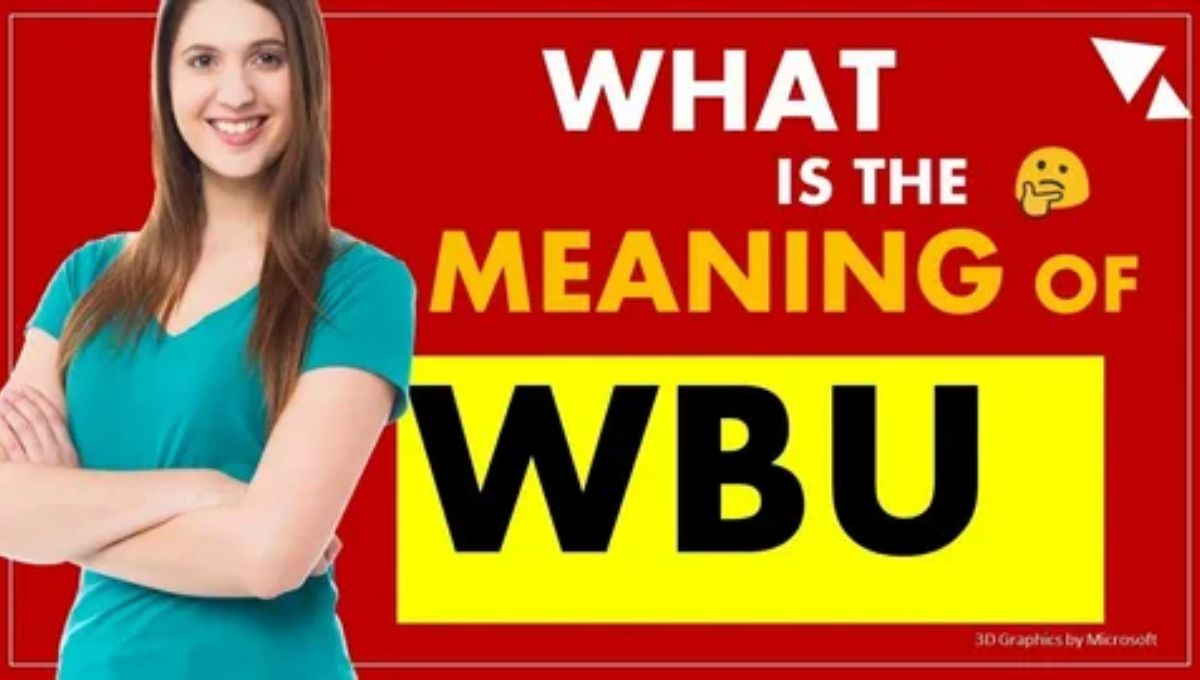
WBU stands for “What About You?” It’s a quick, friendly way to bounce a question back to whoever you’re texting. Someone asks how your day’s going, you answer, and then you tack on “wbu?” to show you’re curious about theirs too.
Here’s the simplest way to think about it: WBU works like a conversational boomerang. You throw your answer out, then send the same question flying right back. It’s not really a standalone question — it almost always follows something you’ve already shared.
Simple Breakdown:
| Letter | Stands For |
| W | What |
| B | About |
| U | You |
Quick Examples:
- “I’m doing okay, just tired. wbu?”
- “Just got out of class. wbu, you free later?”
- “Pretty good day honestly. wbu?”
🔄 Other Meanings of WBU in Text
Before moving further, it’s worth noting that WBU carries almost no ambiguity compared to some internet acronyms.
Unlike a term like PFP, which juggles multiple unrelated meanings, WBU sticks to one job: asking “what about you?” You won’t typically run into alternate definitions in casual texting, gaming chats, or social media comments.
Outside of texting culture, WBU occasionally pops up as shorthand in niche business or organizational contexts, but those uses are rare enough that you can safely assume “what about you?” any time you see it in a text thread.
📱 Where Is WBU Commonly Used?
WBU shows up just about everywhere casual conversation happens online. It’s not tied to one specific app or platform — it travels freely across texting, DMs, gaming lobbies, and even semi-casual work chats.
📍 Common Platforms:
- Texting (SMS/iMessage): The most natural home for WBU — friends use it constantly to keep daily check-ins balanced
- Instagram & Snapchat DMs: Common after replying to a story or catching up in direct messages
- Dating apps (Tinder, Bumble, Hinge): Helps build rapport once someone shares something personal
- Discord & gaming chats: Used between matches or during downtime, since fast typing matters during gameplay
- Study groups & casual work Slack channels: Appears in relaxed group chats, though it’s riskier in more formal workplace settings
🧩 Tone & Style:
WBU almost always signals genuine interest rather than sarcasm or dismissiveness.
It’s the texting equivalent of leaning in during a conversation and asking, “So what about you?” The tone stays warm regardless of platform, though the stakes shift depending on where you’re using it. A “wbu” between friends carries zero pressure. A “wbu” on a dating app? That one’s doing a little more social work, since it’s part of building genuine connection with someone new.
Origin of WBU
The roots of WBU trace back to the early days of instant messaging. Think AOL Instant Messenger and MSN Messenger — platforms where typing speed genuinely mattered, and shaving off characters meant faster, snappier conversations.
Users started clipping full phrases down to their bare bones, and “What about you?” eventually became “WBU.”
One popular theory ties the abbreviation to casual speech patterns. In spoken English, “about” often gets shortened to “’bout” — as in, “What ’bout you?” That verbal shortcut likely nudged texters toward compressing it even further into a three-letter acronym.
Worth noting, though: this explanation floats around a lot online without solid documentation behind it, so treat it as a reasonable theory rather than confirmed history.
As texting culture matured through the 2000s and 2010s, WBU rode the same wave as other now-familiar acronyms like LOL, BRB, and IMO. It wasn’t inventing a new trend — it was joining one already in motion.
How “WBU” Became Popular in Online Chats
Instant messenger platforms planted the seed, but smartphones made WBU truly mainstream. Once texting moved from desktop chat clients to pocket-sized phones, speed became even more valuable.
Nobody wants to type out a full sentence on a tiny keyboard when three letters do the job just as well.
Social media accelerated things further. Twitter’s tight character limits trained an entire generation to think in shorthand. Instagram DMs and TikTok comments picked up the same habits.
Meanwhile, gaming communities added their own push — when you’re mid-match in Fortnite or coordinating strategy in Discord, typing “What about you?” wastes precious seconds. “wbu” gets the same message across, faster.
By the time smartphones and social platforms fully took over daily communication, WBU had crossed from niche gamer shorthand into something practically every texter recognizes, regardless of age or background.
💬 Examples of WBU in Conversation
Seeing WBU in action makes it click faster than any definition could. Here’s how it naturally slots into different kinds of conversations.
1. Daily Life Conversations
Friend: “I’m feeling pretty tired today.”
You: “Same here, just got off work. wbu, rough day?”
2. When Someone Shares Good News
Friend: “I got the job!!”
You: “That’s amazing, congrats! I’ve been applying too. wbu, when do you start?”
3. Asking About Plans
You: “Thinking about catching a movie tonight. wbu?”
4. Checking on Someone
You: “I’ve been stressed about exams lately. wbu? You holding up okay?”
5. Continuing a Topic
Friend: “I love pizza so much.”
You: “Same, pepperoni’s my go-to. wbu, what’s your favorite topping?”
Custom examples to practice with:
- “Craving coffee right now. wbu?”
- “My weekend was super chill. wbu, do anything fun?”
- “I think summer’s the best season. wbu?”
- “Thinking about picking up a new hobby. wbu, any ideas?”
🕓 When to Use and When Not to Use WBU
✅ When to Use WBU
- Texting close friends or family casually
- Keeping conversations balanced after sharing your own update
- Chatting on dating apps to build genuine rapport
- Talking with gaming teammates between rounds
- Casual group chats for school or informal work projects
❌ When Not to Use WBU
- Professional emails or formal business communication
- First-time formal introductions with someone new
- Serious or emotionally heavy conversations that deserve full sentences
- Texting older relatives who might not recognize the term
- Academic writing or anything requiring proper English
Quick rule of thumb:
if the conversation calls for genuine warmth and depth, spell it out — “How are you doing? I’d really like to know.” If it’s light, quick, and casual, “wbu” fits right in.
Is “WBU” Formal or Informal?
Let’s be blunt about this one: WBU is strictly informal. It has no place in a job application, a client email, or a cover letter. Using it in a professional email would land somewhere between “unprofessional” and “did they mean to send this to a friend by mistake?”
That said, workplace culture varies. Startups, creative agencies, or casual internal Slack channels sometimes loosen the rules.
If your coworkers already text like friends, “wbu” might slide by just fine. When you’re unsure, though, the safer move is always spelling it out fully — “What about you?” costs you two extra seconds and zero awkwardness.
😊 Is WBU Friendly or Formal?
😊 Friendly Use:
Between friends, family, or casual acquaintances, WBU reads as warm, engaged, and low-pressure. It shows you’re listening and genuinely curious, without making a big production out of it.
😐 Neutral Use:
In semi-casual settings — a study group, a relaxed team chat, a new acquaintance you’re still getting to know — WBU works fine but carries a touch less warmth than a fully spelled-out question.
❌ Not Formal:
In any professional, academic, or first-impression context, WBU reads as too casual. Stick with complete phrasing here, no exceptions.
Tone & Emotion Behind Using “WBU”
WBU carries a friendly, curious undertone almost every time it’s used. It’s rarely sarcastic and almost never cold. That said, the emotional weight behind those three letters shifts depending on the conversation surrounding them.
Friendly Mood
“Just watched an amazing movie. wbu, seen anything good lately?”
Excited Mood
“I got concert tickets!! wbu, are you coming?!”
Neutral Mood
“I’m okay, just a regular day. wbu?”
Deep Conversation
“I’ve been thinking a lot about my career lately. wbu, do you ever feel that way too?”
Playful Mood
“Eating pizza for breakfast, no regrets. wbu? 😄”
🧠 Why People Use WBU Instead of Full Sentences
📱 1. Keeps Chats Fast
Modern texting moves at a sprint, not a stroll. WBU keeps the rhythm of a conversation quick and snappy, matching the pace people expect from digital communication today.
😎 2. Feels Natural
Spelling out full questions in every text can feel stiff or overly formal. WBU matches the relaxed, conversational tone most people want in casual texting.
💬 3. Easy to Understand
Nearly everyone active in texting culture recognizes WBU instantly. There’s no decoding required — it communicates clearly while still saving time.
Difference Between “WBU” and “HBU”
WBU = What about you?
Use WBU when asking someone’s opinion, status, or general update. It’s broad and fits almost any situation.
Example:
“I’m planning a trip soon. wbu?”
HBU = How about you?
HBU asks essentially the same thing, just phrased slightly differently — more focused on how someone’s feeling or doing.
Example:
“I’m feeling great today. hbu?”
🔄 Similar Slang Words or Alternatives
| Acronym | Meaning | How It Differs from WBU |
| HBU | How about you? | Nearly identical, slightly different phrasing |
| WBY | What about you? | Alternate spelling, same exact meaning |
| WYD | What you doing? | Asks about current activity, not opinion or status |
| HRU | How are you? | General greeting, not a bounce-back question |
| WDYM | What do you mean? | Asks for clarification, unrelated function |
Is “WBU” Universal?
Not entirely, no. WBU thrives in English-speaking countries — the US, UK, Canada, and Australia all use it heavily across texting and social media. Countries with strong English-language internet culture tend to recognize it too.
However, if you’re texting someone whose first language isn’t English, don’t assume they’ll catch the meaning right away.
International contacts, older generations, or anyone less immersed in American texting slang might genuinely pause and wonder what you meant. When in doubt, type the full phrase — it costs nothing and avoids confusion entirely.
Cultural Insight
Western Culture
WBU sits comfortably at home in American, British, Canadian, and Australian texting habits. It reflects a broader cultural value around speed, brevity, and casual reciprocity in digital communication.
Asian Culture
English-language texting slang like WBU does appear among younger, English-fluent users across parts of Asia, particularly in urban areas with heavy social media use, though it competes with local-language equivalents.
Middle Eastern Culture
Similarly, WBU shows up mostly among younger, bilingual texters who mix English slang into conversations conducted primarily in Arabic, Farsi, or other regional languages.
Global Internet Usage
Thanks to global platforms like Discord, Instagram, and TikTok, WBU has spread well beyond its original English-speaking base — though recognition still skews heavily toward younger, internet-fluent users worldwide.
Generational Differences
Younger texters — teens, young adults, and even younger millennials — use WBU constantly and instinctively. Older generations tend to prefer spelling things out fully, partly because they didn’t grow up steeped in texting shorthand the same way.
Pros and Cons of Using “WBU”
Pros
- Saves time: Three letters beat four full words every time
- Keeps conversations balanced: Shows mutual interest without extra effort
- Sounds natural: Matches the casual rhythm of modern texting
- Instantly recognizable: Most people understand it immediately
- Versatile: Works across friendly, excited, neutral, and even semi-serious moods
Cons
- Too informal for professional settings: Can look careless in work emails
- Might seem low-effort: Some people read it as a lazy shortcut rather than genuine curiosity
- Not universally understood: Older folks or non-native speakers may not recognize it
- Overuse feels robotic: Repeating it constantly can make conversations feel copy-pasted
- Sometimes lacks depth: A fully spelled-out question can feel more thoughtful in serious moments
How to Reply When Someone Says “WBU”
The simplest approach: answer their implied question directly, then optionally toss it back with your own update.
Example:
Friend: “I’m doing great! wbu?”
You: “I’m good too, just wrapped up a project. How’s work treating you?”
You can also add extra detail to keep things interesting rather than giving a flat one-word reply.
Example:
Friend: “I’m starving. wbu?”
You: “Same, honestly thinking about ordering Thai food. Want in?”
Advanced Breakdown of “WBU” Usage (For Better Fluency)
As a Conversational Mirror
WBU reflects the original question straight back, creating a sense of symmetry. Both people end up feeling heard, which is a small but meaningful part of what makes texting feel genuinely social rather than transactional.
As a Prompt to Continue Conversation
When a topic starts running dry, tossing in “wbu” often revives it. It nudges the other person to add something new, keeping the exchange alive instead of fizzling into silence.
As an Emotional Connector
Using WBU signals that you care about the other person’s experience, not just your own. It’s small, but it builds rapport naturally — the digital equivalent of genuinely asking “and you?” during a face-to-face chat.
WBU – Quick Meaning
Simple Breakdown:
WBU = What About You? Used as a bounce-back question after sharing your own update, opinion, or status.
Examples:
- “Doing alright, wbu?”
- “Just finished a workout, wbu, get any exercise today?”
- “Pretty relaxed weekend honestly, wbu?”
Common Misunderstandings
1. Tone Confusion
Because WBU is text-only, tone doesn’t always come through clearly. A perfectly innocent “wbu?” can occasionally read as flat or disinterested if there’s no other context or emoji softening it.
2. Too Short = Rude?
Some people mistakenly assume short replies signal low interest. In reality, brevity is just the format of texting slang — it doesn’t automatically equal rudeness or apathy.
3. Literal vs. Intent
WBU isn’t always asking a deep, probing question. Sometimes it’s genuinely just filler to keep a conversation moving, rather than a serious invitation for a long, detailed answer. Reading too much into it either way can lead to unnecessary confusion.
Comparison Table
| Acronym | Full Meaning | Formality Level | Common Setting |
| WBU | What About You? | Very casual | Texting, DMs, gaming |
| HBU | How About You? | Very casual | Texting, DMs |
| WYD | What You Doing? | Very casual | Texting, social media |
| HRU | How Are You? | Casual-moderate | Texting, greetings |
| WDYM | What Do You Mean? | Casual | Clarification requests |
Key Insight
Nearly every acronym on this list shares the same DNA: speed, casualness, and reciprocity. WBU specifically stands out as the most flexible of the bunch, working comfortably across friendly, excited, playful, and even mildly serious conversations.
Variations / Types
WBU doesn’t have many true “variations” beyond spelling differences, but you’ll occasionally see it written as:
- wbu (standard, lowercase)
- WBU (capitalized, less common in casual texts)
- wby (alternate spelling, same meaning)
- wbu? (with a question mark for clarity)
- and wbu (tacked on mid-sentence rather than at the end)
Is It Safe for Kids?
Here’s the reassuring part: WBU is completely harmless. It’s simply a polite, socially engaged way of keeping a conversation balanced, and its use actually reflects decent digital manners — showing interest in someone else rather than just talking about yourself.
Parents unfamiliar with texting slang sometimes worry when they spot unfamiliar acronyms on their kid’s phone, and that instinct makes sense.
But WBU specifically doesn’t warrant concern. It’s the digital equivalent of asking “and you?” during any normal conversation. If you’re a parent brushing up on texting terms your kids use daily, WBU is one you can safely check off the list.
🧾 Final Thoughts
At the end of the day, WBU mean in text boils down to one simple, friendly idea: “What about you?” It’s a small acronym that does a lot of social work — keeping conversations balanced, showing genuine interest, and matching the fast, casual rhythm of modern digital communication.
Now that you know the meaning, the tone, and exactly when (and when not) to use it, you’re ready to text with confidence. Toss in a “wbu” the next time you’re chatting with a friend, and watch how naturally it keeps the conversation flowing both ways.
FAQs
What is WBU in Gen Z slang?
WBU means “What about you?” — a quick, casual way to turn a question back on someone in a chat.
Is it good if a girl says WBU?
It’s simply a friendly way to keep the conversation going and show she’s interested in your answer too.
Who usually says WBU?
Anyone texting casually uses it, but it’s especially common among teens and young adults in quick back-and-forth chats.
What is good WBU?
“Good WBU” means “I’m doing good, what about you?” — a short reply that answers and asks in one breath.
What does WBU mean from a guy?
It means the same thing regardless of who sends it — he’s answering your question and asking about you in return.